
Best Roofing Materials for Rainy Vancouver and Lower Mainland Homes
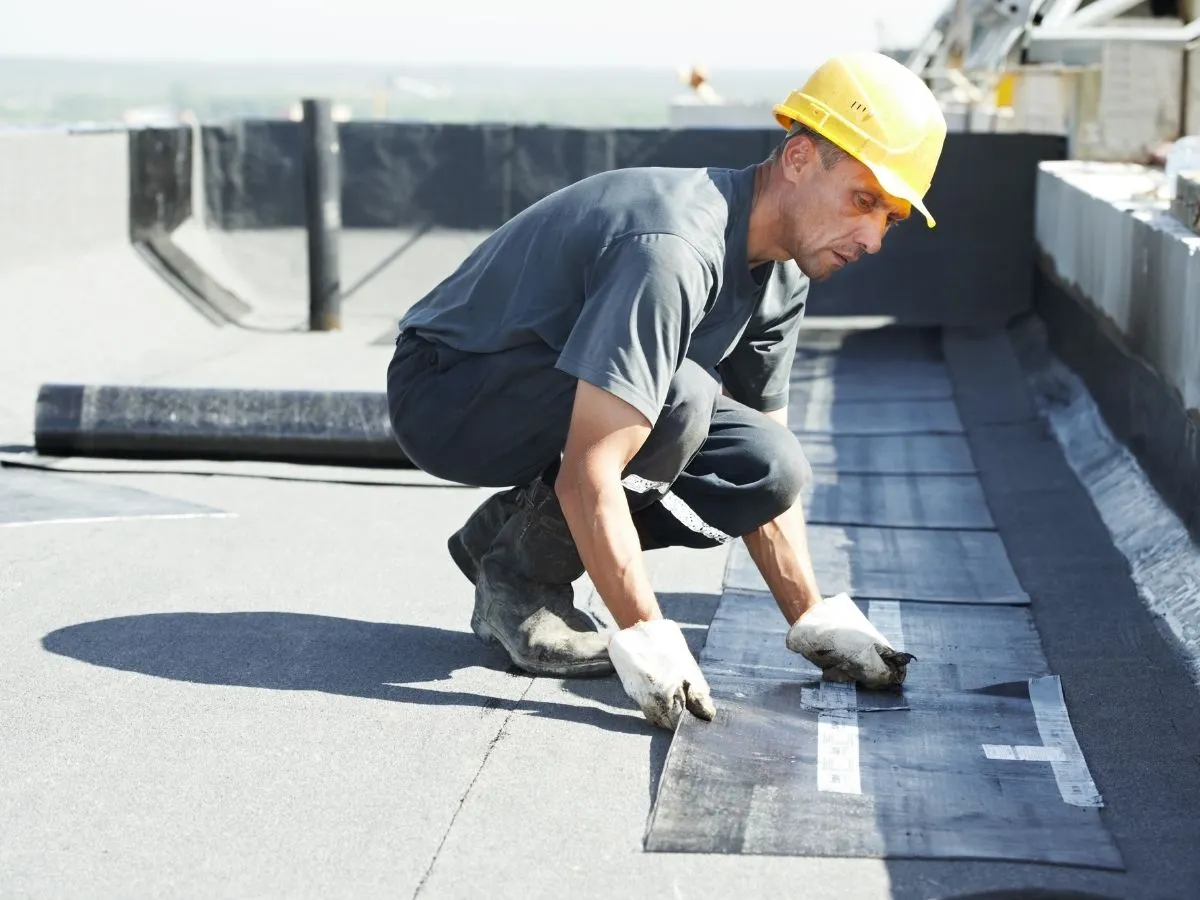
Living in Vancouver and the Lower Mainland means appreciating nature’s beauty and accepting its rainy days. Heavy rain, wind, and moisture are part of everyday life. For homeowners, choosing the best roofing materials Vancouver offers is key to protecting your investment and ensuring long-lasting performance.
At Max Roofing, we know how local weather affects roofs. Rain and coastal conditions make material choice vital to durability and comfort. In this article, we walk through the best roofing materials Vancouver homeowners should consider. We also explain why they work well in wet climates and how they help protect your home.
Why Choosing the Right Roofing Material Matters
Selecting the best roofing materials Vancouver homes need isn’t just about looks. Rain, wind, humidity, and occasional sun combine to challenge roofing systems. The right material keeps water out, resists mold, and reduces long-term maintenance costs. With the right roof, your home stays dry, energy efficient, and protected from leaks. Roofing is one of the largest investments you’ll make for your house. Making the right choice up front saves money and stress later.
What Makes a Roofing Material Great for Rainy Climates
Before exploring specific roofing options, it’s important to understand the qualities that make a material well-suited for Vancouver’s rainy climate. Frequent rainfall, high humidity, and occasional strong winds place constant stress on roofing systems, making performance features a top priority.
Water resistance
A roofing material must provide a reliable barrier against moisture while also allowing water to shed and drain efficiently. Materials that dry quickly after storms help prevent leaks, rot, and long-term water damage.
Durability
Given Vancouver’s weather conditions, long-lasting roofing materials reduce the need for frequent repairs or early replacement. Durable products maintain their structural integrity despite prolonged exposure to rain and seasonal temperature changes.
Wind resistance
Strong coastal winds can loosen or lift improperly secured or lightweight roofing materials. Choosing products designed to withstand high wind speeds helps keep your roof intact during storms.
Mold and algae resistance
Moist environments encourage the growth of mould, moss, and algae, which can damage roofing surfaces and compromise performance. Materials with natural or treated resistance to organic growth are essential in wet climates.
Low maintenance requirements
Roofing materials that require minimal upkeep save homeowners both time and money over the years. Reduced maintenance also lowers the risk of small issues developing into costly repairs.
The best roofing materials Vancouver families choose strike the right balance between weather resistance, durability, visual appeal, and budget, ensuring long-term protection and peace of mind in a challenging climate.
Asphalt Shingles: A Popular Choice With Strong Performance
Asphalt shingles are one of the most common roofing materials in British Columbia. They are affordable, widely available, and easy to install. High-quality shingles can handle rain and wind when installed with proper attic ventilation and moisture control.
Benefits of Asphalt Shingles
- Cost effective for most budgets
- Available in many colours and styles
- Easy to repair or replace
- Good wind and rain resistance
Standard shingles may grow mould or algae in wet climates. Choosing shingles with algae resistance helps them stay cleaner longer. Proper attic ventilation also prevents trapped moisture from damaging shingles from below. When installed correctly, asphalt shingles can be among the best roofing materials Vancouver homeowners choose for both performance and value.
Metal Roofing: Long Lasting and Rain Ready
Metal roofing is excellent for rainy climates. Water slides off metal easily, reducing the chance of leaks. Metals like steel and aluminium also resist rot, insect damage, and fire.
Key Advantages
- Exceptional water shedding ability
- Very durable over decades
- Lightweight and often recyclable
- Energy efficient when coated with reflective finishes
Metal roofing costs more upfront than asphalt shingles. However, its long lifespan often makes it a better value over time. With proper installation, metal roofs can last 40 to 70 years or more.
Metal panels can be noisy in heavy rain if not insulated well. A professional installer like Max Roofing ensures proper underlayment and insulation to reduce sound and maximize comfort. Because of its performance in wet weather, metal roofing is often ranked as one of the best roofing materials Vancouver homeowners choose for long-term reliability.
Cedar Shakes and Shingles: Natural Beauty With Extra Care
Cedar shakes and shingles offer a natural, classic look that many Vancouver homes desire. Cedar is an attractive and traditional roofing option that fits well with West Coast architecture.
Strengths of Cedar Roofing
- Natural aesthetic appeal
- Good insulation properties
- Can be treated for increased weather resistance
Because cedar is wood, it naturally absorbs moisture. In Vancouver’s rainy climate, this requires careful maintenance. Cedar roofs need regular treatment with preservatives and sealants to resist rot and mold. Without this care, cedar may warp or degrade more quickly than other materials. Cedar can still be one of the best roofing materials Vancouver owners choose when aesthetics matter and routine maintenance is expected.
Concrete and Clay Tiles: Stylish and Durable
Concrete and clay tiles are heavy but extremely durable roofing materials. They resist moisture, fire, and rot. Their weight and structure help them stay put in strong winds.
Tile Roofing Advantages
- Exceptional long-term durability
- Resistant to rain and rot
- Offers a unique architectural look
- Low maintenance once installed properly
Tile roofs require reinforced roof framing because of their weight. Installation is more complex and expensive than simpler roofing systems like asphalt shingles. Because of this, concrete or clay tile can be best for larger homes or areas with specific design appeal. When structurally appropriate, tiles remain among the best roofing materials Vancouver homeowners choose for beauty and resilience.
Synthetic Roofing Materials: Modern Performance Meets Durability
Synthetic roofing materials mimic wood, slate, or tile without the same upkeep. They are made from engineered polymers and composites designed to resist moisture and harsh weather.
Benefits of Synthetic Roofing
- Lightweight and easy to install
- Excellent water and wind resistance
- Often backed by strong warranties
- Resists mould, algae, and fading
Synthetic roofing offers a blend of durability and appearance. Many products replicate luxury materials like slate without the cost or weight. For homeowners seeking long life and lower maintenance, synthetic materials are among the best roofing materials Vancouver buyers can find.
Slate Roofing: Longevity and Classic Appeal
Slate is one of the oldest roofing materials still in use. It is a natural stone that resists water, fire, and rot without chemical treatments. A properly installed slate roof can last over a century.
Slate Advantages
- Unmatched longevity
- Natural, high-end look
- Resistant to moisture and wind
- Low maintenance
Slate roofs are heavy and costly. They require experienced installers and strong roof framing. However, if your home can support it and your budget allows, slate remains one of the best roofing materials Vancouver homeowners choose for long-term peace of mind.
Flat Roofing Options: Built for Modern Styles
Flat and low-slope roofs have become increasingly popular in modern homes throughout the Lower Mainland. Their clean lines and contemporary appearance complement today’s architectural trends, while also allowing for efficient use of space, such as rooftop patios, solar panels, or green roofing systems. However, unlike steep-slope roofs, flat roofs require specialized materials engineered to manage water pooling and ensure proper drainage. Choosing the right system is critical for long-term performance in Vancouver’s wet climate.
Common Flat Roofing Materials
EPDM rubber membrane
EPDM is a durable, flexible rubber roofing membrane known for its excellent water resistance and longevity. It performs well in rainy conditions, resists UV exposure, and requires relatively low maintenance, making it a reliable choice for residential flat roofs.
TPO roofing
TPO (Thermoplastic Polyolefin) roofing is a popular option for energy-efficient homes. Its reflective surface helps reduce heat absorption, while heat-welded seams create a strong, watertight barrier. TPO is lightweight, durable, and well-suited for flat roofs exposed to frequent rain.
Modified bitumen
Modified bitumen is an asphalt-based roofing system reinforced with fiberglass or polyester. Installed in multiple layers, it provides added strength and excellent waterproofing. This material is especially effective for handling standing water and offers dependable performance in coastal climates.
Flat roofing systems demand expert installation and material selection. When properly designed and installed, they offer a modern aesthetic while delivering the durability and moisture protection needed for homes in the Lower Mainland.
What Works in Rain
Flat roofs must be installed with proper slope and drainage systems. EPDM and TPO are strong at shedding water when installed correctly. Regular maintenance and inspections help catch pooling water before it damages the roof.
Flat roofs using quality materials and expert installation can be among the best roofing materials Vancouver families choose for modern home designs.
Choosing the Right Roof for Your Home
Selecting the right roofing material should include these steps:
- Evaluate your budget
- Consider your home’s architecture
- Think about long-term maintenance
- Review warranty options
- Get professional guidance
A roofing professional with local experience can help match your needs to the best material for long-term performance.
Even the best roofing material fails without proper installation. Vancouver’s rainy climate demands expert sealing, flashing, and ventilation. Poor installation leads to leaks, mold, and premature aging.
At Max Roofing, our trained installers follow manufacturer specifications and industry best practices. This ensures your roof performs as expected and lasts as long as possible.
Common Mistakes to Avoid
When selecting roofing materials in Vancouver, homeowners sometimes overlook key factors that can significantly impact the roof’s performance and lifespan. Vancouver’s coastal climate, with frequent rain, moisture, and temperature fluctuations, makes informed decision-making especially important. Below are some common mistakes to avoid:
Choosing the cheapest option without quality checks
While budget is always a consideration, opting for the lowest-priced material often leads to higher long-term costs. Cheaper roofing products may lack durability, weather resistance, or proper certifications, resulting in premature repairs or replacement.
Ignoring warranty details
Not all roofing warranties offer the same level of protection. Some cover only materials, while others include workmanship. Failing to review warranty terms can leave homeowners unprotected against defects or installation issues down the line.
Skipping professional inspections before installation
Installing new roofing materials without a thorough inspection of the existing roof structure can mask underlying problems such as rot, moisture damage, or poor insulation. These issues can compromise the performance of even the best roofing materials.
Underestimating ventilation needs
Proper attic and roof ventilation is critical in Vancouver’s damp climate. Poor ventilation can lead to moisture buildup, mold growth, and reduced energy efficiency, all of which shorten the roof’s lifespan.
Neglecting regular maintenance
Even high-quality roofing materials require ongoing care. Failing to schedule routine inspections and maintenance can allow minor issues, like loose shingles or clogged gutters, to turn into costly repairs.
Avoiding these mistakes helps protect your investment, enhances your home’s durability, and ensures you receive the full value and performance expected from the best roofing materials Vancouver has to offer.
Roof Maintenance Tips for Rainy Weather
Once you choose a roofing material, proper care keeps performance strong:
- Clean gutters regularly
- Inspect for loose or damaged shingles
- Check flashing around chimneys and vents
- Trim nearby trees to reduce debris
- Have regular professional inspections
Routine care extends your roof’s life and prevents minor issues from becoming expensive problems.
Final Thoughts
Choosing the best roofing materials Vancouver homeowners can trust is a decision that affects comfort, safety, and home value. Rain, wind, and coastal moisture require thoughtful material selection and professional installation.
Whether you choose asphalt shingles, metal roofing, slate, or another option, the right roof protects your home for years. Done well, your roof becomes a reliable shield against rainy days and stormy nights.
For trusted expertise and lasting results, Max Roofing is here to help you pick and install the roofing solution that fits your needs. Invest in quality and weather-ready materials so your home stays dry and protected for decades.
You take pride in your property.
We take pride in our work.
Schedule a free roofing consultation & estimate.
By submitting this form, you agree to be contacted by Max Roofing BC regarding your inquiry.