
Understanding BC Building Codes for Residential Roofing Projects
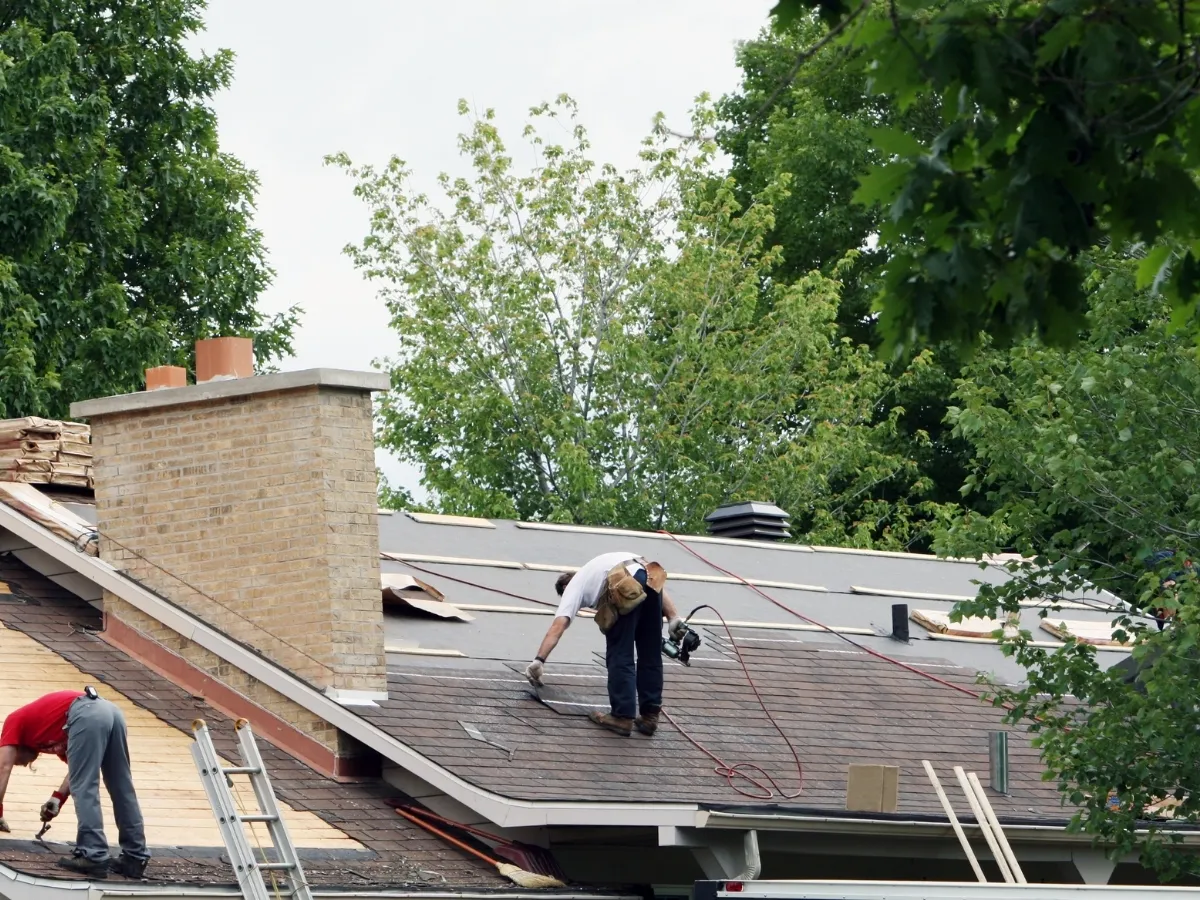
When planning a roofing project, it is easy to focus on materials and costs. However, one of the most important factors is compliance with BC roofing building codes. These rules exist to protect homeowners, ensure safety, and maintain long term roof performance.
At Max Roofing, we believe informed homeowners make better decisions. Understanding how BC roofing building codes apply to your project helps avoid delays, fines, and costly mistakes. It also ensures your roof is built to handle British Columbia’s unique climate.
What Are BC Roofing Building Codes
BC roofing building codes are part of the British Columbia Building Code. They set minimum standards for construction, safety, and performance. These rules apply to new roofs, replacements, and major repairs.
The codes cover materials, installation methods, structural requirements, and safety measures. They are updated regularly to reflect new research and climate conditions. Following BC roofing building codes is not optional, it is a legal requirement.
Building codes exist to protect people and property. Roofing systems play a major role in keeping homes safe from weather and structural damage. BC roofing building codes ensure roofs can handle rain, wind, snow, and seismic activity.
Ignoring these codes can lead to serious problems. Homeowners may face fines, insurance issues, or forced repairs. More importantly, a non compliant roof may fail when you need it most.
Who Enforces BC Roofing Building Codes
Local municipalities enforce BC roofing building codes. While the provincial code sets the standard, cities and regions may add local requirements. These local rules often reflect regional weather conditions or zoning needs.
Building inspectors review roofing projects to ensure compliance. Permits are usually required for roof replacements or structural changes. Working with an experienced contractor helps navigate these requirements smoothly.
Not every roofing project requires a permit, as minor repairs or maintenance work typically fall outside permit regulations. Simple fixes, such as replacing a few damaged shingles or sealing small leaks, can often be completed without formal approval. However, most full roof replacements and structural changes do require a permit to ensure compliance with building codes and safety standards.
Permits are generally required when a roofing project involves:
Replacing the entire roof covering
Removing and installing a new roofing system usually requires approval to confirm that materials and installation methods meet current code requirements.
Changing roofing materials
Switching from one roofing type to another, such as asphalt shingles to metal or flat roofing systems, may affect structural load, drainage, or fire ratings, triggering the need for a permit.
Modifying the roof structure or slope
Any structural changes, including altering the roof pitch or framing, must be reviewed to ensure the roof remains safe and structurally sound.
Adding insulation or ventilation systems
Upgrades that impact energy efficiency, airflow, or moisture control often require permits to ensure they meet BC building code standards.
British Columbia roofing and building codes play a key role in determining permit requirements. Because regulations can vary by municipality, it’s always best to check local requirements or consult a qualified roofing contractor before starting work. Proper permitting helps avoid fines, delays, and potential issues when selling your home in the future.
Roofing Materials Approved Under BC Codes
BC roofing building codes specify which materials are allowed. Approved materials must meet safety, durability, and performance standards. This ensures roofs can withstand BC’s climate.
Common approved materials include:
- Asphalt shingles
- Metal roofing systems
- Cedar shakes and shingles
- Concrete and clay tiles
- Approved flat roofing membranes
Using unapproved materials can result in failed inspections and rework.
Fire Resistance Requirements
Fire safety is a major focus of BC roofing building codes. Roofing materials must meet fire resistance ratings. These ratings help slow the spread of fire and protect nearby homes.
Most residential roofs require Class A, B, or C fire ratings. The required rating may depend on location and surrounding structures. Choosing code compliant materials helps protect your family and neighbourhood.
Wind Resistance Standards
British Columbia experiences strong coastal and inland winds. BC roofing building codes include wind resistance requirements. These rules ensure roofs stay secure during storms.
Roofing systems must be installed to resist uplift forces. This includes proper fastening, underlayment, and edge protection. Wind rated installation methods are essential for long term performance.
Snow Load and Structural Requirements
In many parts of BC, snow load is a serious concern. BC roofing building codes specify how much weight a roof must support. This protects against collapse during heavy snowfall.
Structural elements like rafters and trusses must meet load requirements. Roof slope and design also affect snow shedding. Proper design ensures safety during winter months.
Seismic Considerations in Roofing
British Columbia is in a seismic zone. While roofs are not usually the focus of earthquake design, BC roofing building codes still address seismic safety. Roof structures must be securely connected to walls.
Proper fastening reduces the risk of roof movement during seismic events. This adds another layer of safety for homeowners. Code compliant construction improves overall building resilience.
Ventilation Requirements for Residential Roofs
Ventilation plays a key role in roof health. BC roofing building codes include specific ventilation requirements. These rules help control moisture and temperature in attic spaces.
Adequate ventilation prevents condensation buildup. It also reduces heat stress on roofing materials. Balanced intake and exhaust vents are essential for compliance and performance.
Insulation Standards Under BC Codes
Roof insulation is closely tied to energy efficiency. BC roofing building codes include minimum insulation values. These values help reduce heat loss and energy costs.
Insulation must be installed correctly to meet code. Gaps or compression reduce effectiveness. Proper insulation improves comfort and supports long term roof durability.
Underlayment and Waterproofing Rules
Underlayment is a critical part of any roofing system. BC roofing building codes require approved underlayment materials. These layers provide secondary protection against water intrusion.
In high risk areas, additional waterproofing may be required. This often applies to roof valleys and low slope areas. Following these rules reduces the risk of leaks.
Flashing and Penetration Standards
Roof penetrations are common leak points. BC roofing building codes specify how flashing must be installed. This includes chimneys, vents, skylights, and pipes.
Proper flashing directs water away from openings. Poor flashing is a common cause of roof failure. Code compliant flashing protects both the roof and interior spaces.
Eaves, Overhangs, and Drainage
Eaves and overhangs help manage water runoff. BC roofing building codes include rules for edge protection and drainage. These features prevent water from damaging walls and foundations.
Gutters and downspouts must direct water away from the home. Proper drainage reduces moisture related issues. Good design supports overall building health.
Flat Roof Code Requirements
Flat and low slope roofs follow additional rules. BC roofing building codes require proper slope for drainage. Standing water is not allowed under code standards.
Approved membranes and drainage systems must be used. Regular inspections help ensure continued compliance. Flat roofs demand precise installation to meet code.
Re Roofing Versus New Construction Rules
Re roofing projects often follow different rules than new builds. BC roofing building codes allow some flexibility for existing structures. However, safety standards still apply.
If structural changes are made, full compliance may be required. This includes upgrades to ventilation or insulation. A professional assessment helps determine what is needed.
Common Code Violations to Avoid
Homeowners often encounter problems due to simple mistakes. Common violations include:
- Skipping required permits
- Using unapproved materials
- Improper ventilation installation
- Incorrect fastening methods
- Poor flashing details
Avoiding these issues saves time and money. Experienced contractors understand how to meet BC roofing building codes.
Inspections are part of the permitting process. Inspectors review work at key stages. This ensures compliance before the project is completed.
If issues are found, corrections must be made. Passing inspection provides peace of mind. It confirms your roof meets safety and performance standards.
The Role of Professional Roofing Contractors
Professional contractors play a vital role in code compliance. They stay current with BC roofing building codes and local amendments. This knowledge protects homeowners from costly errors.
At Max Roofing, we manage permits, inspections, and compliance. Our team builds roofs that meet or exceed code requirements. This ensures long term reliability and safety.
BC roofing building codes are not just rules, they are safeguards. Code compliant roofs last longer and perform better. They also help maintain home value. Insurance companies often require code compliance. Selling your home is easier when documentation is in order. Compliance reduces future risks and expenses.
Building codes evolve over time. Climate change and new materials influence updates. Staying informed helps homeowners plan future projects.
Working with a knowledgeable contractor ensures your roof meets current standards. This proactive approach avoids outdated practices. It also prepares your home for future conditions.
Questions Homeowners Should Ask
Before starting a roofing project, homeowners should ask:
- Will this project require a permit
- How do BC roofing building codes apply to my home
- Are the materials approved under current codes
- How will inspections be handled
- What documentation will I receive
Clear answers help build trust and confidence. Successful roofing projects start with planning. Understanding BC roofing building codes helps set realistic expectations. It also guides material and design choices.
Professional guidance simplifies the process. From permits to final inspection, expert support ensures compliance. Planning reduces stress and delays.
Final Thoughts
BC roofing building codes exist to protect homeowners, families, and communities. They ensure roofs are safe, durable, and suited to local conditions. Understanding these codes empowers better decision making.
At Max Roofing, we take pride in building code compliant roofs that stand up to British Columbia’s demands. When you are ready to start your next roofing project, trust our team to deliver expert workmanship that meets every standard and protects your home for years to come.
You take pride in your property.
We take pride in our work.
Schedule a free roofing consultation & estimate.
By submitting this form, you agree to be contacted by Max Roofing BC regarding your inquiry.