
Why Proper Roof Ventilation Is Essential for BC Homes
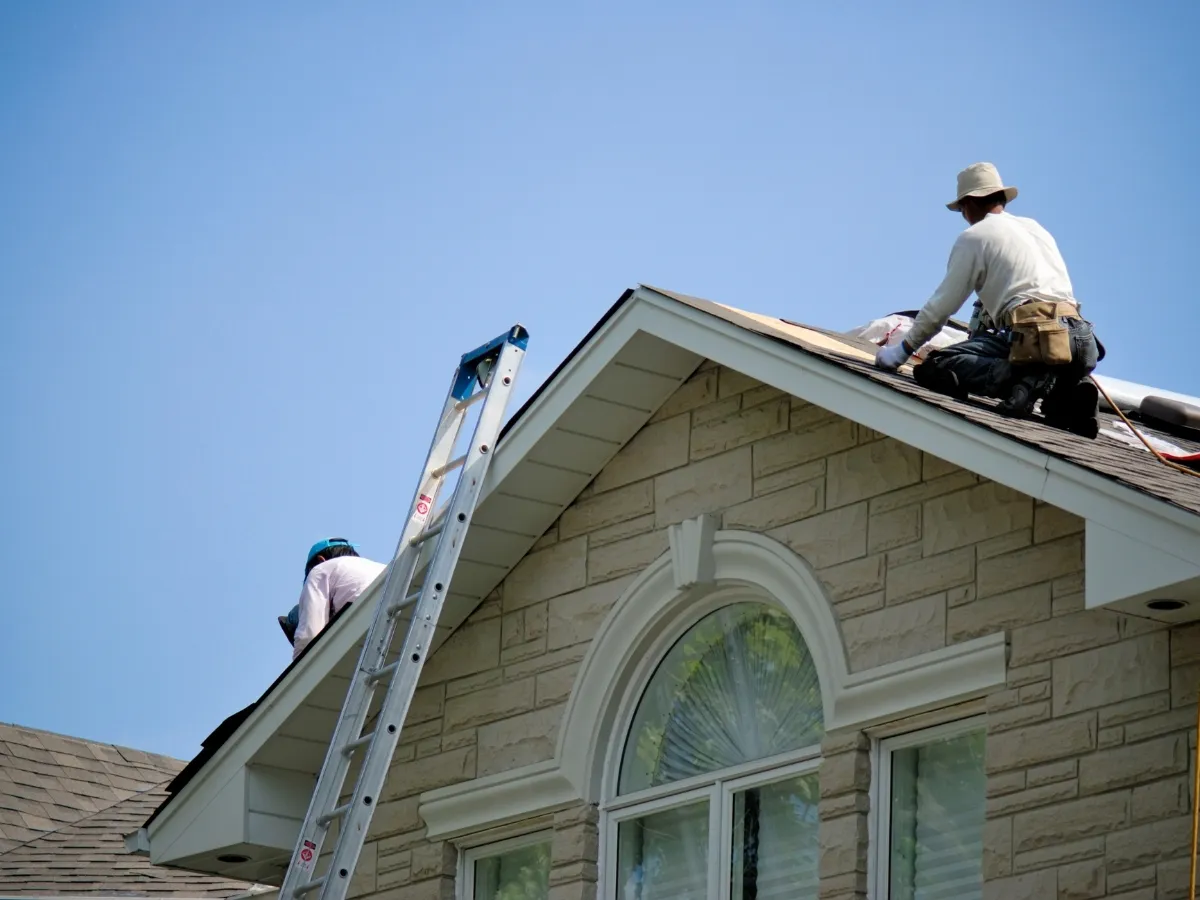
Roof ventilation is one of the most overlooked parts of a healthy roofing system. Yet in British Columbia’s damp and changing climate, it plays a critical role. Understanding why roof ventilation BC homes need can prevent costly damage and improve long term comfort.
At Max Roofing, we see many roofing problems that start in the attic. Poor ventilation leads to moisture buildup, heat trapping, and premature roof failure. Proper roof ventilation protects your roof, your home, and your investment.
What Roof Ventilation Means
Roof ventilation allows air to move through your attic space. Fresh air enters through intake vents and exits through exhaust vents. This balanced airflow regulates temperature and moisture levels. In BC, where rain and humidity are common, this airflow is essential. Roof ventilation BC systems are designed to keep attics dry and roofs performing as intended.
British Columbia’s climate creates unique challenges. Coastal areas experience high humidity and frequent rain. Interior regions face cold winters and warm summers.
These conditions increase the risk of moisture buildup and heat stress. Roof ventilation BC homes rely on must handle both wet and cold conditions. Without proper ventilation, roofs deteriorate much faster.
Moisture Control in BC Homes
Moisture is the biggest threat to roof health in BC. Everyday activities like cooking, showering, and laundry release moisture into the home. This moisture rises into the attic.
Without proper ventilation, moisture becomes trapped. This leads to condensation on roof decking and insulation. Roof ventilation BC systems allow moisture to escape before damage occurs.
Trapped moisture creates ideal conditions for mould and mildew. These issues affect both roof structure and indoor air quality. Mould can spread quickly in damp attic spaces. Once mold develops, repairs become more complex and costly. Proper roof ventilation BC homeowners install helps keep attics dry and mold free.
Extending Roof Lifespan
Heat and moisture accelerate roof aging. Shingles exposed to excess heat from below deteriorate faster. Trapped moisture causes rot and weakens structural components. Roof ventilation BC solutions regulate attic conditions. This reduces stress on roofing materials. Well ventilated roofs last longer and perform better over time.
Ice dams are a common winter problem in many parts of BC. They form when heat escapes into the attic and melts snow on the roof. Melted snow refreezes at the eaves and blocks drainage.
Blocked water backs up under shingles and causes leaks. Proper roof ventilation BC homes need to keep attic temperatures stable. This reduces ice dam formation and winter water damage.
Improving Energy Efficiency
Poor ventilation traps heat in summer and cold air in winter. This forces heating and cooling systems to work harder. Energy bills increase as a result.
Roof ventilation BC systems improve airflow and temperature balance. Homes stay more comfortable year round. Better efficiency means lower energy costs and reduced strain on HVAC systems.
Protecting Insulation Performance
Insulation is most effective when it remains dry and intact. When moisture builds up in the attic or roof system, insulation can absorb water, causing it to compress, sag, or deteriorate over time. Wet insulation loses much of its ability to regulate indoor temperatures, leading to increased heat loss in winter and heat gain in summer. This reduction in performance forces heating and cooling systems to work harder, increasing energy costs and reducing overall comfort.
Roof ventilation BC homes depend on plays a critical role in keeping insulation dry. Proper airflow allows moisture to escape before it can settle into insulation materials. By preserving insulation performance, effective ventilation helps maintain consistent indoor temperatures and supports long-term energy efficiency.
Reducing Structural Damage
Excess moisture leads to wood rot in rafters and roof decking. Over time, this weakens the entire roof structure. Structural damage is expensive to repair.
Proper ventilation reduces moisture exposure. Roof ventilation BC systems help preserve the strength of framing and decking. This protects your home’s long term stability.
Meeting BC Building Code Requirements
Excess moisture in the roof system can also lead to serious structural problems. When moisture lingers, it promotes wood rot in rafters, trusses, and roof decking. Over time, this deterioration weakens the entire roof structure, compromising its ability to support roofing materials and withstand environmental stress. Structural repairs caused by moisture damage are often complex and costly.
Proper ventilation significantly reduces moisture exposure by allowing damp air to exit the attic space. Roof ventilation BC systems help protect framing and decking from prolonged moisture contact, preserving the roof’s strength and stability. This proactive approach safeguards the home’s long-term structural integrity and helps prevent expensive repairs in the future.
Common Types of Roof Ventilation
Several ventilation options are used in BC homes. The right combination depends on roof design and attic layout.
Common ventilation types include:
- Soffit vents
- Ridge vents
- Roof vents
- Gable vents
- Mechanical ventilation systems
Balanced intake and exhaust are essential for effectiveness.
Soffit vents allow cool air to enter the attic at the roof’s edge. They are a key part of intake ventilation. Without intake vents, exhaust vents cannot work properly. Roof ventilation BC designs often rely on soffit vents. They provide consistent airflow and help regulate attic conditions.
Ridge Vents for Exhaust
Ridge vents run along the peak of the roof. They allow warm, moist air to escape naturally. Ridge vents are effective and low profile. When paired with proper intake, ridge vents create balanced airflow. Roof ventilation BC systems commonly use this combination for reliable performance.
Roof vents, also called box vents, are installed near the roof peak. They provide exhaust ventilation in homes without ridge vents. Multiple vents may be needed for adequate airflow.
Proper placement and spacing are critical. Roof ventilation BC professionals calculate vent requirements based on attic size and design.
Mechanical Ventilation Options
In some cases, passive ventilation is not enough. Mechanical fans help move air more actively. These systems are often used in complex roof designs.
Mechanical ventilation must be installed carefully. Incorrect setup can draw conditioned air from the home. Roof ventilation BC experts assess when these systems are appropriate.
Signs of Poor Roof Ventilation
Homeowners may not realize ventilation problems exist. Common warning signs include:
- Condensation in the attic
- Mold or mildew smells
- Ice dams in winter
- Hot upper floors in summer
- Curling or premature shingle aging
These signs often point to inadequate roof ventilation BC systems.
Many roofing manufacturers require proper ventilation. Without it, warranties may be voided. This leaves homeowners unprotected if materials fail early. Roof ventilation BC compliance protects warranty coverage. It also ensures roofs perform as designed.
The Role of Professional Assessment
Ventilation needs vary by home. Roof design, attic size, and climate all matter. A professional assessment identifies gaps and inefficiencies.
At Max Roofing, we evaluate ventilation as part of every roofing project. Our experience with roof ventilation BC homes need allows us to design effective solutions.
Ventilation and Roof Replacement Projects
Roof replacement is the ideal time to address ventilation. Access is easier and upgrades can be integrated seamlessly. Improving ventilation during replacement maximizes roof lifespan.
Roof ventilation BC upgrades often cost less when done alongside roofing work. Planning ahead saves time and money.
Ventilation for Older Homes
Older homes often lack proper ventilation. Building standards have evolved over time. Many older attics have insufficient intake or exhaust vents. Upgrading roof ventilation BC systems in older homes improves comfort and reduces damage. These upgrades protect both new and existing roofs.
Coastal BC and Ventilation Challenges
Coastal BC homes face constant moisture exposure. Salt air and humidity increase the risk of condensation. Ventilation must be designed carefully to handle these conditions.
Roof ventilation BC coastal homes rely on moisture control. Proper airflow helps prevent corrosion and rot.
Seasonal Benefits of Proper Ventilation
Ventilation benefits homes year round. In summer, it reduces heat buildup. In winter, it minimizes condensation and ice dams. Roof ventilation BC systems provide consistent protection. Seasonal performance improvements add up over time.
Ventilation upgrades are a smart investment. While there is an upfront cost, savings come through energy efficiency and reduced repairs. Longer roof lifespan also adds value.
Roof ventilation BC improvements often pay for themselves. Preventing damage is always cheaper than fixing it.
Choosing the Right Roofing Partner
Not all contractors prioritize ventilation. Experience with local conditions matters. Choosing a professional who understands roof ventilation BC requirements is essential.
At Max Roofing, ventilation is part of our standard approach. We build roofing systems designed for BC’s climate, not shortcuts.
Final Thoughts
Proper ventilation is essential for protecting BC homes from moisture, heat, and premature roof failure. Ignoring ventilation leads to higher costs, comfort issues, and reduced roof lifespan.
At Max Roofing, we believe strong roofs start with proper airflow. When roof ventilation BC homes rely on is designed and installed correctly, your roof performs better and lasts longer. Investing in proper ventilation today helps protect your home for years to come.
You take pride in your property.
We take pride in our work.
Schedule a free roofing consultation & estimate.
By submitting this form, you agree to be contacted by Max Roofing BC regarding your inquiry.