
Rooftop Drainage Systems for Commercial Buildings in BC
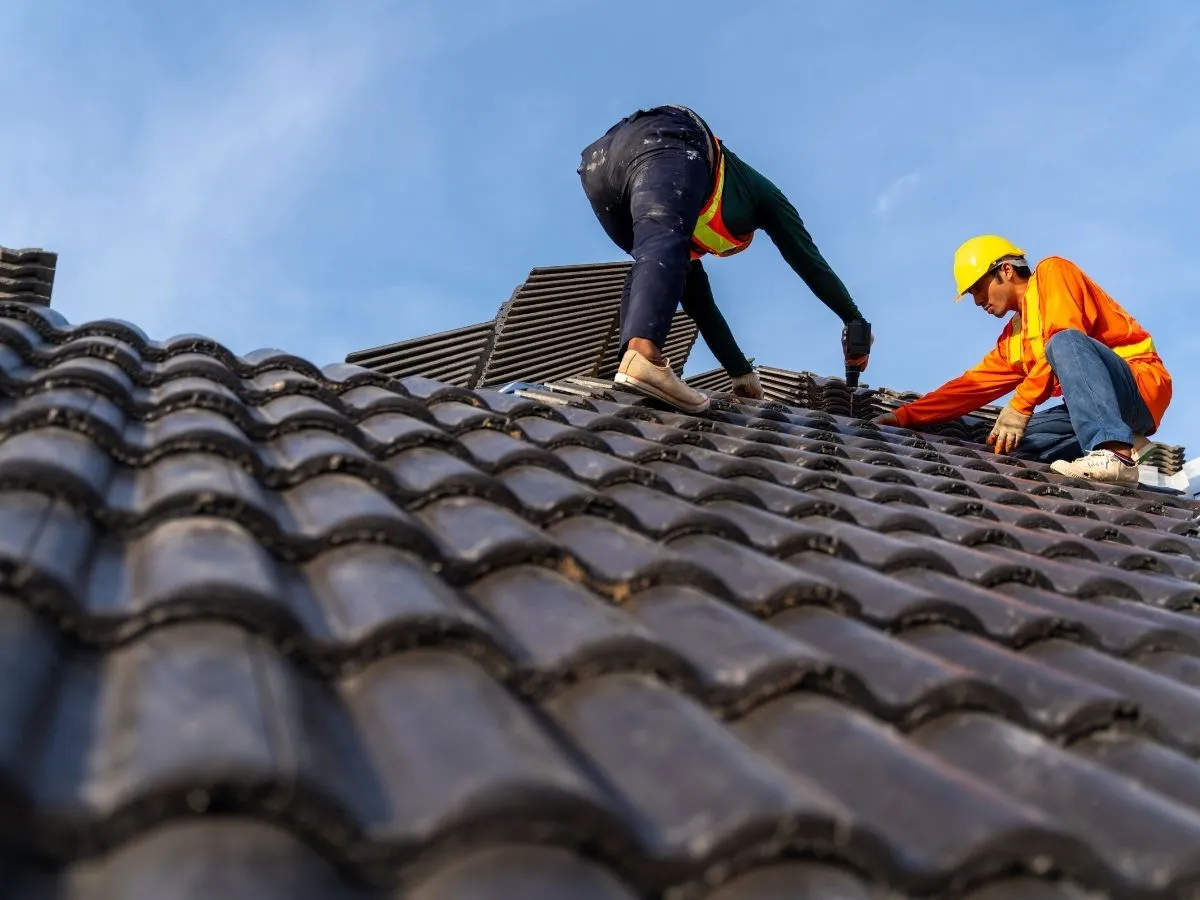
Commercial buildings in British Columbia face unique weather challenges, from heavy rainfall to melting snow. A reliable rooftop drainage system is essential for protecting the roof structure, preventing costly water damage, and ensuring the building remains safe and efficient.
Why Rooftop Drainage Systems Matter
Flat and low-slope roofs are common in commercial construction. While they offer design and space advantages, they are more prone to water pooling. Without proper drainage, standing water can weaken roofing materials, increase the risk of leaks, and lead to expensive repairs.
A well-designed rooftop drainage system channels water away quickly, ensuring long-term roof performance.
Types of Rooftop Drainage Systems
Choosing the right rooftop drainage system is essential for protecting both residential and commercial buildings from water damage. Each system has its advantages depending on roof type, size, and local weather conditions.
1. Internal Drains
Internal drains are installed at low points on the roof and connect to a network of pipes inside the building, carrying water safely to ground level. These systems are particularly effective for large commercial roofs, as they remove water efficiently without affecting exterior walls or the building’s façade.
2. Scuppers
Scuppers are openings built into parapet walls that allow water to drain directly off the roof. Often paired with downspouts, they are a cost-effective option for both commercial and residential flat roofs. Regular cleaning is essential to prevent clogs and ensure water flows freely.
3. Gutters and Downspouts
Commonly used in residential properties, gutters and downspouts can also be applied to smaller commercial buildings. They collect water from the roof edge and direct it away from the structure. However, during heavy rainfall, gutters may overflow if they are undersized or poorly maintained, highlighting the importance of regular cleaning and inspection.
4. Siphonic Roof Drains
Siphonic drainage systems use a combination of gravity and air pressure to move water rapidly, eliminating the need for sloped piping. This makes them highly efficient for large commercial facilities, reducing the number of required downpipes while ensuring quick removal of rainwater and minimizing the risk of ponding.
Professional guidance from experts like Max Roofing can help determine the most suitable drainage system for your roof, ensuring long-term protection against water damage and maximizing efficiency.
Common Rooftop Drainage Problems
Even well-designed rooftop drainage systems can experience issues if not properly maintained. Being aware of common problems allows homeowners and building managers to act early and prevent serious damage.
Clogged Drains or Scuppers
Leaves, dirt, and debris can accumulate in drains or scuppers, blocking water flow. Clogged drainage can cause water to back up on the roof, increasing the risk of leaks and structural stress.
Standing Water
Persistent water pooling on flat or low-slope roofs often indicates poor slope or blocked drains. Standing water adds weight to the roof and accelerates material deterioration, leading to potential leaks.
Damaged Pipes
Internal drain pipes can develop cracks, leaks, or loose fittings over time. Damaged pipes may allow water to infiltrate the building, causing interior water damage and compromising structural integrity.
Ice Build-Up
During winter, freeze-thaw cycles can create ice build-up in gutters, scuppers, and drains. Ice can block drainage pathways, force water under roofing materials, and lead to leaks or exterior damage.
Regular cleaning, inspections, and professional maintenance from Max Roofing help prevent these common rooftop drainage problems, ensuring water is effectively moved off the roof and away from the building.
Maintenance Tips for Commercial Rooftops
Proper maintenance is essential for commercial rooftops to ensure drainage systems function efficiently and prevent costly water damage. Here are key steps building managers should follow:
Schedule Seasonal Inspections
Inspect rooftops at least twice a year, with extra attention before and after winter. Seasonal checks help identify damage from snow, ice, or heavy rain before it worsens.
Clean Debris Regularly
Remove leaves, dirt, and other debris from drains, gutters, and scuppers on a consistent basis. Keeping these pathways clear ensures water flows freely and prevents blockages.
Check for Ponding Water
After heavy rainfall, inspect flat or low-slope roofs for standing water. Promptly addressing ponding prevents leaks, structural stress, and material deterioration.
Install Protective Screens
Screens or strainers over drains reduce the amount of debris entering the system, minimizing the risk of clogs and maintaining efficient water flow.
Repair Leaks and Cracks Immediately
Any cracks, leaks, or damaged pipes should be repaired as soon as they are discovered. Timely repairs prevent water from infiltrating the building and causing interior damage or structural issues.
Regular upkeep and professional inspections by Max Roofing help commercial properties maintain effective drainage systems, prolong roof lifespan, and reduce the risk of costly water damage.
Choosing the Right Drainage System
The best rooftop drainage system depends on factors like building size, roof slope, and budget. Larger commercial properties often benefit from internal or siphonic systems, while smaller buildings may use scuppers or gutters. Working with a roofing professional ensures the right system is installed for long-term reliability.
Final Thoughts
A rooftop drainage system is more than a building feature, it’s a vital safeguard for commercial properties in BC. By choosing the right system and maintaining it regularly, building owners can prevent water damage, extend roof lifespan, and protect their investment.
FAQ
1. How often should commercial rooftop drains be inspected?
Commercial rooftop drains should be inspected at least twice a year, ideally in the spring and fall. Additional checks after heavy storms help catch debris or damage early, preventing costly water-related issues.
2. Can clogged rooftop drains damage the building interior?
Yes. When rooftop drains become blocked, water can back up and seep into the building, causing leaks, water damage, and potential structural problems. Timely cleaning and maintenance are essential to prevent these risks.
3. What is the best drainage system for large commercial buildings?
For large commercial properties, siphonic and internal drain systems are the most effective. They handle high volumes of rainwater efficiently, reduce ponding, and minimize the number of required downpipes, ensuring rapid water removal.
Professional inspections and maintenance by Max Roofing ensure commercial drainage systems remain reliable and protect both the roof and the building interior year-round.
You take pride in your property.
We take pride in our work.
Schedule a free roofing consultation & estimate.
By submitting this form, you agree to be contacted by Max Roofing BC regarding your inquiry.