
How Roof Pitch Affects Drainage and Durability
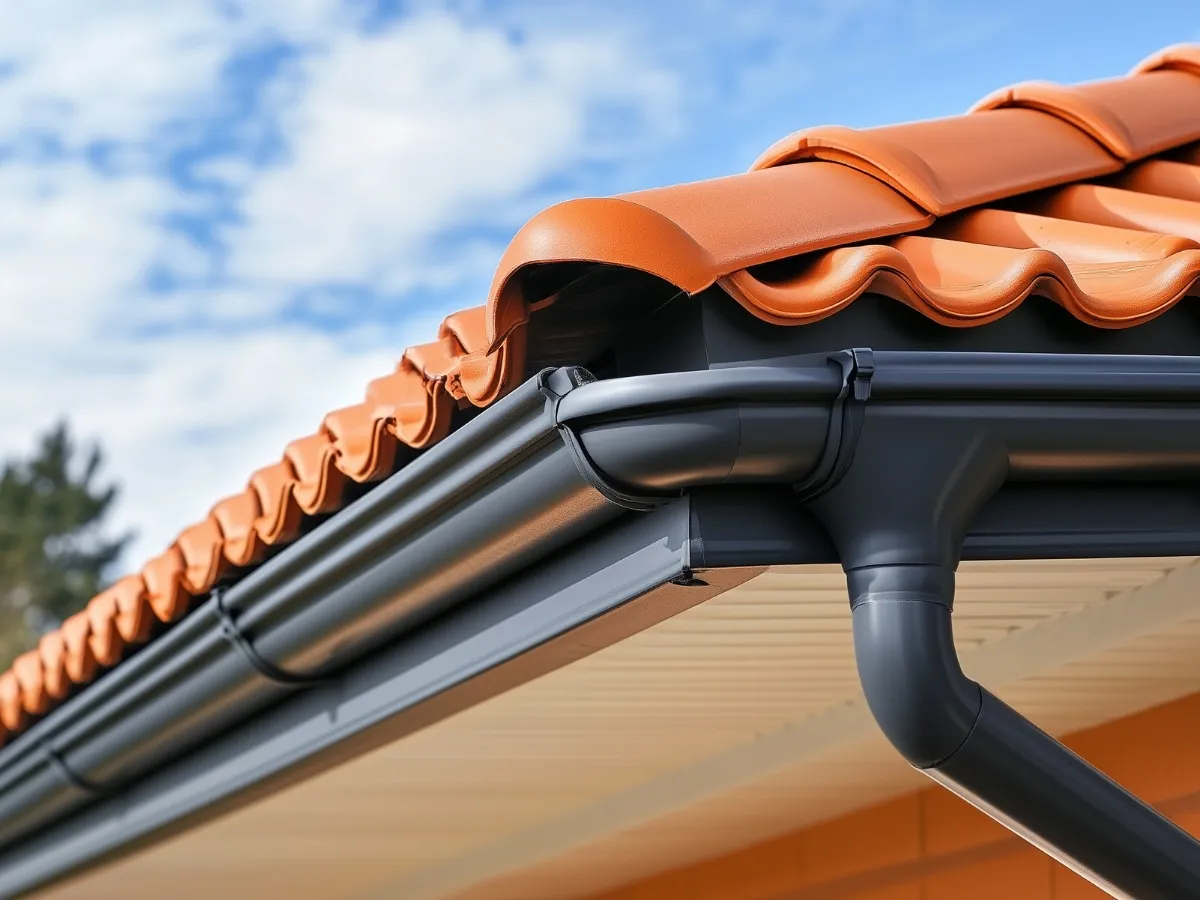
If you have ever looked at two houses side by side and noticed that one has a steep roof while the other is nearly flat, you have already seen roof pitch in action. Roof pitch refers to the steepness or slope of a roof, and it plays a much bigger role than just appearance. It directly affects how well your roof drains water, how long your roofing materials last, and how well your home holds up against the elements. In a province like British Columbia, where rainfall, snow, and wind are part of everyday life, understanding roof pitch drainage is essential. At Max Roofing, we want to help you make informed decisions about your roof so it works hard for you in every season.
What Is Roof Pitch?
Roof pitch is measured as a ratio that describes how many inches a roof rises vertically for every 12 inches it runs horizontally. For example, a 4:12 pitch means the roof rises 4 inches for every 12 inches of horizontal distance. A low-pitch roof might have a ratio of 2:12 or 3:12, while a steep roof can reach 8:12, 10:12, or even higher. Flat roofs are not truly flat, they typically have a very slight slope of around 0.25:12 to allow for minimal drainage. Understanding this measurement helps homeowners and contractors choose the right roofing materials and design for a specific climate and building type.
Roof pitch is not just a design choice, it is a structural and functional decision that affects everything from the materials used to the long-term performance of the roof. Different pitches require different installation techniques and materials, which is why it matters so much when planning a new roof or a replacement. The pitch you choose should match your local weather conditions, the style of your home, and your long-term maintenance goals. In BC, where weather conditions vary widely from one region to the next, getting the pitch right is especially important. A roofing professional can help you evaluate your options based on your specific location and home design.
How Roof Pitch Affects Drainage
The most direct relationship between roof pitch and performance is drainage. A steeper roof sheds water much more quickly than a shallow one, which is a major advantage in high-rainfall areas like the Lower Mainland, Vancouver Island, and the BC Coast. When rain hits a steep roof, gravity pulls it down and off the surface rapidly, reducing the amount of time water sits on your roofing materials. The less time water spends on your roof, the lower the risk of leaks, moisture infiltration, and material deterioration. This is why steep-pitched roofs have been a traditional choice in wet climates for centuries.
Low-pitch and flat roofs, on the other hand, rely more heavily on a well-designed drainage system to move water off the surface. Without proper slope, water can pool or move very slowly toward drains or gutters, increasing the risk of standing water. Standing water is one of the biggest threats to any roofing system because it adds weight, breaks down roofing materials over time, and finds its way into even the smallest gaps or cracks. For flat and low-slope roofs to perform well, they require specific waterproofing systems and regular maintenance. Our team provides professional waterproofing solutions designed specifically for low-slope and flat roofing systems across BC.
Snow drainage is another critical factor in BC, particularly in mountain communities and the Interior. A steeper pitch allows snow to slide off the roof more easily, preventing the heavy buildup that can stress your roof structure. Low-pitch roofs tend to accumulate snow, which adds significant weight and increases the risk of structural damage or collapse in extreme cases. Ice dams are also more likely to form on low-pitch roofs because meltwater moves slowly and has more time to refreeze at the eaves. Choosing the right pitch for your region is one of the most important decisions you will make when planning a roof.
Roof Pitch and Material Durability
Roof pitch does not just affect drainage, it also has a major impact on how long your roofing materials last. Different materials are designed to perform within specific pitch ranges, and using the wrong material for your pitch can lead to premature failure. Asphalt shingles, for example, are typically recommended for roofs with a pitch of 4:12 or greater. On lower slopes, shingles can allow water to seep underneath because the reduced angle slows drainage and creates more opportunity for water to back up under the material. Always consult a roofing professional to make sure the material you choose matches your roof’s pitch.
Steep roofs generally put less stress on roofing materials when it comes to moisture exposure, but they can be more vulnerable to wind damage. A highly pitched roof presents more surface area to the wind, and in storm-prone areas of BC, this can be a concern. Metal roofing and certain types of architectural shingles are designed to handle wind loads well, making them a smart choice for steep pitches in windy regions. UV exposure is also a factor, steep south-facing roof sections receive more direct sunlight, which can accelerate the aging of certain materials over time. Choosing materials with UV resistance is a smart move for any steep-pitched roof in sunny interior regions of BC.
Flat and low-slope roofs require completely different materials to stay waterproof and durable. Modified bitumen, TPO (thermoplastic polyolefin), EPDM rubber, and built-up roofing systems are all designed for low-slope applications where water moves slowly. These materials form a continuous waterproof membrane rather than relying on overlapping layers to shed water, which is what shingles do. While they require a higher level of maintenance and inspection, these systems can be extremely durable when properly installed and cared for. Our commercial roofing services include expert installation of flat and low-slope roofing systems built to last in BC’s demanding climate.
Low-Slope vs. Steep-Slope Roofs: A Comparison
Both low-slope and steep-slope roofs have their strengths and weaknesses, and the right choice depends on your building type, location, and budget. Residential homes in BC most commonly use steep-slope roofs because they shed water and snow efficiently and offer a wide variety of material options. Commercial buildings, on the other hand, often use flat or low-slope designs because they are easier to construct over large spans and provide usable rooftop space for mechanical equipment. Understanding the trade-offs helps you make the best decision for your specific situation. Here is a quick breakdown of how low-slope and steep-slope roofs compare:
Steep-Slope Roofs (4:12 and above)
- Excellent natural drainage for rain and snowmelt
- Wide range of compatible roofing materials, including shingles, metal, and tile
- Snow slides off more easily, reducing structural load
- Higher wind resistance may be needed due to increased surface area exposure
- Generally easier to inspect visually from the ground
Low-Slope and Flat Roofs (under 4:12)
- Require specialized waterproofing membranes and drainage systems
- Common in commercial buildings and modern residential designs
- More susceptible to standing water without proper drainage planning
- Easier and safer to walk on for maintenance purposes
- Often more cost-effective to install on large commercial structures
How BC’s Climate Shapes the Right Pitch Choice
British Columbia is home to some of the most varied climates in North America, and that diversity directly influences what roof pitch works best in different parts of the province. On the coast, where annual rainfall can exceed 1,500 millimetres in some areas, a steeper pitch helps keep homes dry by quickly moving water off the roof surface. In the Interior and northern BC, heavy snowfall makes a steep pitch even more important for preventing snow accumulation and ice dams. The Lower Mainland’s combination of rain, occasional snow, and wind means homeowners need a roof that handles multiple weather threats well.
In areas with milder, drier climates like the Okanagan, roof pitch is still important, but the focus shifts slightly. Heat and UV exposure become bigger concerns, which means the type of roofing material matters just as much as the pitch. Clay tiles, metal roofing, and reflective coatings are popular in these drier regions because they hold up well under intense sun. Whatever your region, getting a professional assessment of your local climate conditions is a key step in choosing the best roof pitch and material combination. Our team at Max Roofing has deep experience working across BC and can guide you toward the best solution for your home.
Common Roof Pitch Problems and How to Prevent Them
Even a well-designed roof pitch can run into problems over time if maintenance is neglected. Gutters and downspouts play a huge role in supporting roof drainage, if they are clogged, even a steep roof can experience water backup at the eaves. Regular gutter cleaning, especially in fall when leaves accumulate, is one of the easiest and most effective ways to protect your roof drainage system. Downspouts should direct water well away from your home’s foundation to prevent moisture problems from spreading below ground level.
For low-slope and flat roofs, the most common issues are poor drainage, membrane damage, and debris buildup. Even small amounts of standing water left unchecked can cause membrane deterioration and eventually lead to leaks. Inspecting the drainage points and scuppers on a flat roof at least twice a year is essential, especially after major storms. If you notice pooling water that does not drain within 48 hours of a rainfall, that is a clear sign that your drainage system needs attention. Addressing these issues early on saves a great deal of money and protects the structural integrity of your building.
Flashings are another area where pitch-related problems can develop. Where the roof meets a wall, chimney, or vent, the flashing must be installed in a way that accounts for how water flows at that specific pitch. Improper flashing installation on a steep roof can direct water into the wall cavity rather than away from it. Regular inspections of flashings at every pitch transition point are a smart habit for any homeowner. Our roofing services across BC include thorough flashing inspections and repairs to make sure your roof is sealed properly at every vulnerable point.
Choosing the Right Roof Pitch for Your Home
If you are planning a new build or a full roof replacement, choosing the right pitch is one of the most important decisions in the process. Your architect or builder will consider local building codes, structural requirements, and aesthetic preferences alongside practical performance factors. In many parts of BC, local bylaws or strata regulations may also dictate minimum pitch requirements, particularly in areas prone to heavy snowfall. It is worth doing your research early and consulting with a roofing professional before finalizing your design.
For homeowners who already have a roof in place, understanding your current pitch helps you choose the right maintenance approach and replacement materials when the time comes. Knowing whether you have a low-slope or steep-slope roof also helps you communicate more effectively with roofing contractors. You can measure your roof’s pitch yourself using a level and a tape measure, though a professional inspection will give you a much more complete picture of your roof’s overall condition. The more you know about your roof, the better equipped you are to care for it and make smart decisions when repairs or replacements are needed.
Final Thoughts
Roof pitch drainage is one of the most fundamental factors in how well your roof protects your home. From the speed at which water flows off your roof to the type of materials that will last the longest on your specific slope, pitch affects nearly every aspect of roof performance. In BC’s demanding and diverse climate, choosing the right pitch and keeping it well maintained is not something to leave to chance. Whether you are dealing with coastal rain, mountain snow, or Interior heat, a well-designed roof pitch gives your home a strong first line of defence against the elements. When you are ready to talk about your roof, the team at Max Roofing is here to help. We offer expert advice, quality workmanship, and solutions built for BC’s unique conditions, get your roofing quote today and take the first step toward a roof that is built to last.
You take pride in your property.
We take pride in our work.
Schedule a free roofing consultation & estimate.
By submitting this form, you agree to be contacted by Max Roofing BC regarding your inquiry.