
The Role of Underlayment in Roof Protection
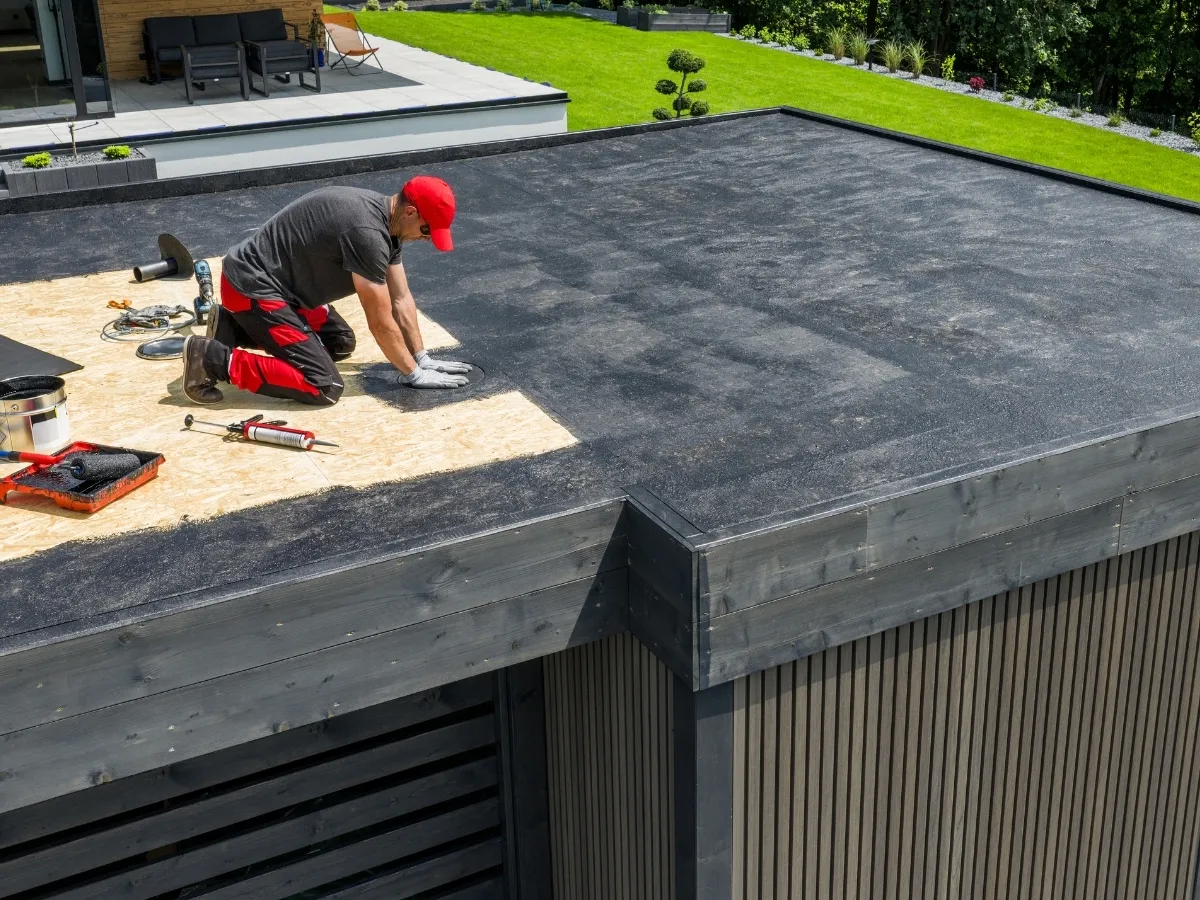
When most people think about their roof, they picture the shingles or metal panels on the outside. What they do not often think about is what lies underneath those materials, and that hidden layer is just as important as anything you can see from the street. Roof underlayment is a protective sheet installed directly on your roof deck, sitting between the deck and the outer roofing material. It acts as a secondary barrier against water, wind, and moisture, and it plays a critical role in keeping your home dry and structurally sound. At Max Roofing, we believe that understanding roof underlayment benefits helps homeowners make smarter decisions about one of their biggest investments.
What Is Roof Underlayment?
Roof underlayment is a layer of material, typically made from felt, synthetic fabric, or rubberized asphalt, that is applied directly over the wooden roof deck before shingles, metal panels, or other outer roofing materials are installed. Think of it as a safety net that catches anything that manages to get past the outer layer of your roof. It is not visible once the roof is finished, but it is always working in the background to protect your home. Without it, even a small gap or crack in your outer roofing material could allow water to reach the roof deck and cause serious damage. In a climate like British Columbia’s, where rain and moisture are constant concerns, underlayment is not optional, it is essential.
The underlayment also serves a practical function during the construction or re-roofing process itself. It protects the roof deck from rain and moisture exposure between the time the old roofing is removed and the new materials are installed. In BC, where rain can arrive unexpectedly at any time of year, having underlayment in place during a roofing project provides a crucial temporary shield. It also helps roofing crews maintain a safer working surface, since many underlayment products offer better grip than bare wood. This layer may be out of sight once the job is done, but its presence makes a measurable difference in the long-term performance of your roof.
The Main Types of Roof Underlayment
Not all underlayment is the same, and choosing the right type for your roof depends on your climate, roofing material, and budget. There are three main categories of roof underlayment used in residential and commercial roofing today. Each has its own set of strengths, and a knowledgeable roofing contractor can help you determine which one is the best fit for your home. Here is a closer look at each type.
Felt Underlayment (Asphalt-Saturated Felt)
Felt underlayment, sometimes called tar paper, has been used in roofing for decades and remains one of the most widely used options today. It is made from a base of natural or synthetic fibres that are saturated with asphalt to create a water-resistant barrier. It comes in two common weights, 15-pound and 30-pound, with 30-pound felt offering greater durability and tear resistance. While it is a cost-effective choice for many roofing projects, felt underlayment can absorb moisture over time and may wrinkle if exposed to rain before the outer roofing material is installed. It works well under asphalt shingles and is a reliable option for many standard residential roofing applications.
Synthetic Underlayment
Synthetic underlayment has become increasingly popular in recent years because of its superior strength, light weight, and resistance to moisture. It is made from woven or spun polyethylene or polypropylene and offers better tear resistance than traditional felt, even in wet conditions. Synthetic underlayment is less likely to wrinkle, crack, or absorb water, making it a strong choice for BC’s wet climate. It also tends to be easier and faster to install, which can help reduce labour costs. Many roofing manufacturers now recommend or even require synthetic underlayment to maintain their product warranties, making it a smart long-term investment.
Rubberized Asphalt Underlayment (Self-Adhering)
Rubberized asphalt underlayment, also known as ice-and-water shield, is the premium option for areas that are especially vulnerable to water infiltration. It features a self-adhering backing that bonds directly to the roof deck, creating a fully waterproof seal rather than just a water-resistant barrier. This type is most commonly used at the eaves, valleys, and around roof penetrations like chimneys, skylights, and vents, all areas where water is most likely to collect and cause damage. In colder parts of BC, ice-and-water shield is a critical defence against ice dams, which form when snowmelt refreezes at the roof’s edge and forces water back up under the roofing material. While it costs more than felt or synthetic options, its performance in high-risk areas makes it well worth the investment.
Key Roof Underlayment Benefits
Understanding the specific benefits of underlayment helps illustrate just how important this layer is to your roof’s overall performance. These are not minor perks, they are core functions that protect your home day in and day out. Here is a breakdown of the most important roof underlayment benefits.
Protection Against Water Infiltration
The primary job of underlayment is to stop water from reaching your roof deck. Even high-quality shingles can allow small amounts of water to pass through during heavy rain, wind-driven storms, or if a shingle is damaged or lifted. The underlayment catches that water and directs it off the roof before it can penetrate the deck and enter your home. In BC’s coastal regions, where rainfall is heavy and persistent, this secondary barrier is one of the most important lines of defence your roof has. Without it, even minor shingle damage could quickly lead to a serious leak.
Defence Against Wind-Driven Rain
Strong winds can push rain up and under shingles, bypassing the outer roofing layer entirely. Underlayment creates a tight barrier that wind-driven water cannot easily penetrate. This is especially important in areas of BC that experience significant windstorms, such as the Fraser Valley, Vancouver Island, and parts of the North Coast. During a major storm, your outer roofing layer may take the brunt of the impact, but the underlayment holds the line if anything gets through. Together, the two layers create a much stronger system than either one could on its own.
Ice Dam and Freeze-Thaw Protection
In colder parts of BC, ice dams are a seasonal concern that can cause serious roof damage. When heat escapes through the roof and warms the snow above, meltwater flows down to the cold eaves and refreezes. Over time, this ice buildup can force water back up under the shingles and into the home. A rubberized asphalt underlayment installed at the eaves creates a waterproof seal that prevents this backed-up water from reaching the roof deck. Combined with proper attic insulation and ventilation, the right underlayment is one of the best tools for managing ice dam risk.
Roof Deck Protection During Installation
As mentioned earlier, underlayment protects the roof deck during the construction or re-roofing process. Exposed wood is vulnerable to rain, humidity, and UV damage, all of which can weaken the deck before the roofing project is even finished. By covering the deck quickly with underlayment, roofing crews create a protective layer that preserves the integrity of the wood until the outer materials are in place. This is particularly important in BC, where weather can change quickly and a roofing project may span multiple days. Protecting the deck during installation is a sign of quality workmanship and attention to detail.
Improved Energy Efficiency
Some underlayment products offer an additional benefit that many homeowners do not expect: improved thermal performance. Certain synthetic underlayments include a reflective layer that helps reduce heat transfer through the roof deck. In warmer months, this can help keep your home cooler and reduce the load on your air conditioning system. While underlayment alone is not a substitute for proper attic insulation, it contributes to an overall energy-efficient roofing system. Over the lifetime of a roof, even modest energy savings can add up to a meaningful amount.
Added Protection for Roofing Warranties
Many roofing material manufacturers require specific underlayment products to be used in order to validate their product warranties. Skipping underlayment or using a lower-quality option than what is specified can void your warranty entirely, leaving you without coverage if your roofing materials fail prematurely. This is another reason why it is so important to work with a licensed, experienced roofing contractor who follows manufacturer guidelines. Our team at Max Roofing ensures that every installation meets or exceeds manufacturer requirements so your warranty stays intact. Proper underlayment installation is one of the details that separates a quality roofing job from a shortcut.
Where Underlayment Matters Most
While underlayment is installed across the entire roof deck, there are specific areas where it is especially critical. These high-risk zones are where water is most likely to accumulate, pool, or find its way under the outer roofing material. Paying close attention to these areas during installation and inspection is an important part of any quality roofing project. The eaves are one of the most vulnerable areas because they are where ice dams form and where wind-driven rain is most likely to travel upward under the shingles. A full coverage of rubberized asphalt underlayment along the eaves is a standard best practice in BC’s colder regions. Roof valleys, where two roof planes meet and funnel large volumes of water, are another high-risk zone that benefits from a heavier or self-adhering underlayment.
Areas around chimneys, skylights, vents, and other roof penetrations are also critical, water tends to collect and sit around these features if the underlayment and flashing are not installed correctly. Properly protecting these areas is a core part of our approach to roofing services across BC. Every roof we work on receives careful attention at these vulnerable points to ensure complete protection against water infiltration. Cutting corners at these locations is one of the most common causes of roof leaks, and it is something we take seriously on every project. Whether you are having a residential roof replaced or a new commercial building constructed, these details matter a great deal.
Underlayment for Commercial Roofing
Commercial buildings often use flat or low-slope roofing systems, which have different underlayment needs than steep-slope residential roofs. Because water drains more slowly on these surfaces, the waterproofing system must be more robust and continuous. Commercial underlayment products are typically thicker, more durable, and designed to work alongside membrane roofing systems that provide full waterproof coverage across the entire roof surface. Proper installation and regular maintenance are especially important for commercial roofs, where a leak can disrupt business operations and cause significant property damage.
For commercial property owners in BC, investing in a high-quality underlayment and membrane system is one of the smartest decisions you can make. Our commercial roofing services include the installation of underlayment and waterproofing systems designed specifically for flat and low-slope applications. We work with property managers and business owners across BC to ensure their roofs are properly protected and built to withstand the demands of the local climate. Whether you are constructing a new building or replacing an aging commercial roof, we have the expertise to get the job done right.
Signs Your Underlayment May Be Failing
Underlayment is built to last, but it does not last forever. Over time, it can deteriorate due to age, moisture exposure, or damage sustained during storms. Because it is hidden beneath the outer roofing layer, it is not easy to inspect directly, but there are signs that suggest it may be failing. Knowing what to look for helps you act quickly before a small problem becomes a major repair. Here are some warning signs to watch for:
- Water stains on your ceiling or interior walls, especially after rainfall
- Mould or mildew smell coming from your attic, which suggests persistent moisture
- A roof deck that feels soft or spongy when walked on during an inspection
- Visible signs of rot or dark staining on the underside of your roof deck when viewed from the attic
- Shingles that are lifting, curling, or showing signs of moisture damage from below
If you notice any of these signs, it is important to have your roof professionally inspected as soon as possible. Waiting too long allows moisture to spread further into the roof structure, leading to more extensive and costly repairs. Our team can assess the condition of your roof system and recommend the best course of action. You can also explore our waterproofing solutions for added protection if your roof has a history of moisture issues.
How to Choose the Right Underlayment for Your Roof
Choosing the right underlayment comes down to a few key factors: your roofing material, the pitch of your roof, your local climate, and your budget. In most parts of BC, synthetic underlayment is an excellent all-around choice for residential roofs because of its strength, moisture resistance, and compatibility with a wide range of roofing materials. For areas with heavy snowfall or frequent freeze-thaw cycles, adding a rubberized asphalt layer at the eaves and valleys provides extra protection where it matters most. A roofing professional can walk you through the best options for your specific home and location.
It is also worth considering the long-term value of premium underlayment products. While a cheaper felt underlayment may cost less upfront, a high-quality synthetic or rubberized product will typically outlast it and provide better protection over the life of the roof. When you factor in the cost of potential repairs caused by inadequate underlayment, investing in a better product from the start almost always makes financial sense. Your roof is only as strong as its weakest layer, and the underlayment is one layer you do not want to skimp on.
Final Thoughts
Roof underlayment benefits go far beyond what most homeowners realize. This often-overlooked layer is a critical part of your roofing system, providing protection against water infiltration, wind-driven rain, ice dams, and moisture damage every single day. Whether you are building a new home, replacing an aging roof, or simply trying to understand your existing roof better, knowing the role that underlayment plays helps you appreciate the full picture of what keeps your home safe and dry.
In BC’s demanding climate, every layer of protection counts. At Max Roofing, we never cut corners when it comes to underlayment. Our experienced team uses only proven, high-quality products and follows best practices on every job, because your home deserves nothing less. Request a roofing quote today and let us help you build a roof that is protected from the inside out.
You take pride in your property.
We take pride in our work.
Schedule a free roofing consultation & estimate.
By submitting this form, you agree to be contacted by Max Roofing BC regarding your inquiry.