
How Windstorms in BC Impact Roof Performance
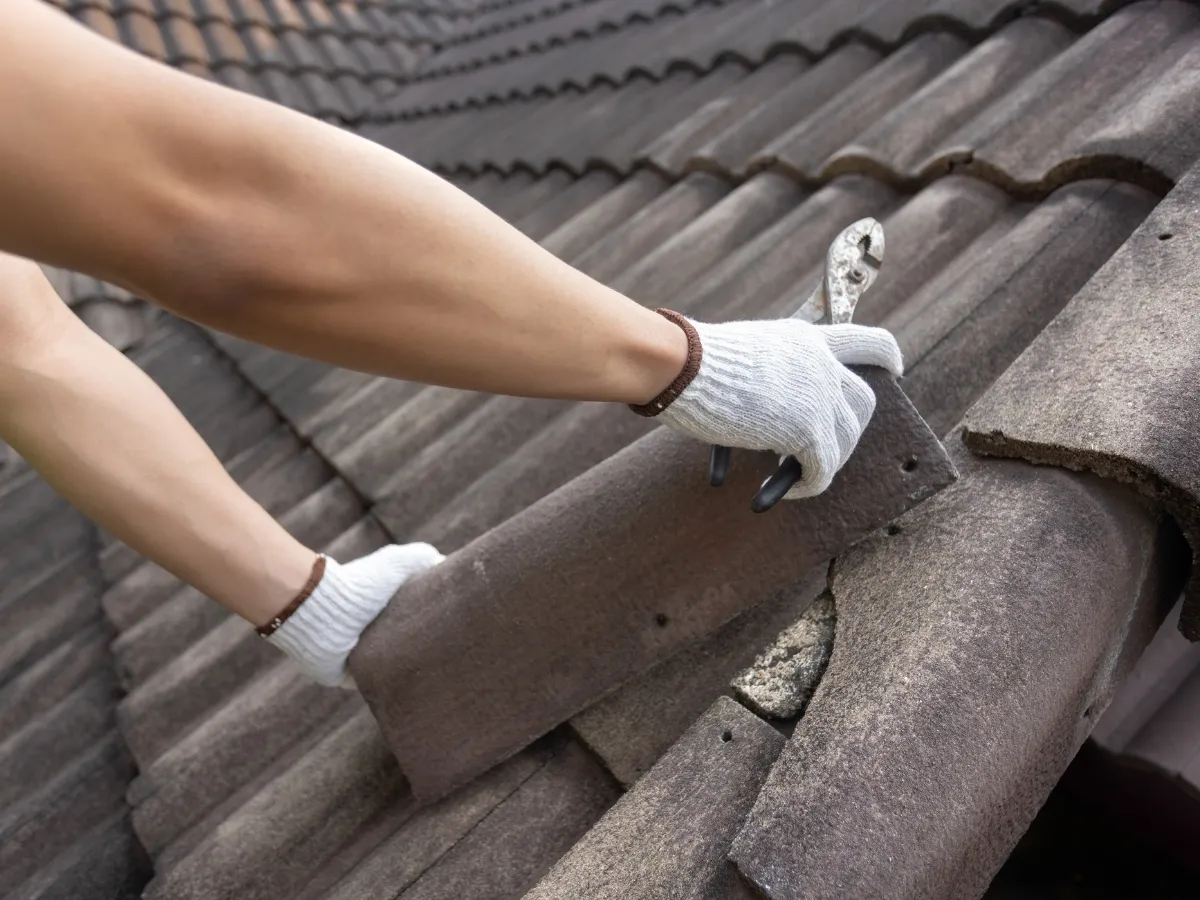
British Columbia is no stranger to powerful windstorms. From the Fraser Valley to Vancouver Island, the Lower Mainland to the Sunshine Coast, strong winds are a seasonal reality that homeowners across the province deal with every year. Wind damage roof BC homeowners experience can range from a few lifted shingles to catastrophic structural failure, and the difference between those outcomes often comes down to the quality of materials, the standard of installation, and how well a roof has been maintained over time. Understanding how windstorms affect your roof is the first step toward making sure your home is ready when the next big storm rolls in.
How Windstorms Form and Why BC Is Especially Vulnerable
British Columbia sits in a geographic sweet spot for powerful wind events. The province’s dramatic landscape, with its mountain ranges, deep valleys, and long coastline, creates the conditions needed for strong and sometimes violent wind patterns. When a Pacific low-pressure system moves in off the ocean, it can funnel high-speed winds through mountain passes and along coastal corridors, accelerating them significantly. The result is localized wind events that can exceed 90 to 100 kilometres per hour or more in exposed areas. These events happen most frequently between October and March, overlapping with the province’s rainiest season and creating a double threat for roofs already dealing with heavy moisture.
The Lower Mainland, including Vancouver and its surrounding communities, is particularly susceptible to windstorms driven by strong Pacific fronts. Squamish is well known for its powerful outflow winds, which can be among the strongest in Canada. Areas along the Strait of Georgia also experience frequent high-wind events as systems move through. For homeowners in these regions, wind damage roof BC risks are not a hypothetical concern. They are an annual reality that deserves serious preparation and attention.
Wind Damage Roof: What Happens to Your Roof During a Windstorm
To understand how wind damages a roof, it helps to think about how wind interacts with a structure. Wind does not push evenly against a roof the way rain does. Instead, it creates areas of high pressure on the windward side of a building and areas of low pressure, or suction, on the leeward side and over the roof surface itself. This suction effect is often more damaging than the direct force of the wind because it pulls roofing materials upward from below. Shingles, flashing, and even entire roof sections can be lifted and torn away when the uplift force of wind exceeds what the fasteners and adhesives holding them in place can resist.
Edges and corners are the most vulnerable parts of any roof during a windstorm. Wind speeds are higher at corners, and the change in direction creates intense uplift forces right at the spots where roofing materials have the least protection. Ridge caps, which run along the peak of the roof, are also highly exposed and frequently the first thing to fail in a high-wind event. Flashing around chimneys, skylights, and vents can be peeled back, creating immediate pathways for water to enter the home. Even when no materials are visibly missing after a storm, the adhesive seals between shingles can be broken by wind stress, leaving the roof vulnerable to water infiltration during the next rainfall.
Common Types of Wind Damage Roof BC Homeowners See
Wind damage does not always look dramatic. Sometimes the most serious damage is the kind you cannot easily see from the ground. Here are the most common types of wind damage roof BC homeowners encounter after a storm:
- Lifted or missing shingles: The most visible sign of wind damage. Even a single missing shingle creates an opening for water to reach your roof deck and cause rot or mould.
- Broken or displaced ridge caps: Ridge caps sit at the peak of the roof and are highly exposed to wind. When they fail, the entire ridge line becomes vulnerable to water entry.
- Damaged or lifted flashing: Metal flashing around chimneys, vents, and skylights can be peeled back by wind, breaking the watertight seal and allowing leaks to develop.
- Granule loss on asphalt shingles: Wind-driven debris and the stress of high winds can strip the protective granule layer from shingles, shortening their lifespan significantly.
- Cracked or broken shingles: Wind-driven branches, hail, or debris can crack shingles directly, while the flexing caused by strong wind gusts can cause shingles to fracture along existing stress lines.
- Damaged soffits and fascia: The trim along your roofline can be torn away during high-wind events, leaving your attic and roof structure exposed to the elements.
- Fallen trees or branches: One of the most severe forms of wind damage, direct impact from trees or large branches can puncture or crush a roof, requiring immediate emergency repairs.
How Wind Speed Affects the Severity of Roof Damage
Not all windstorms cause the same level of damage. The relationship between wind speed and roof damage is important to understand because it helps homeowners know what to expect and when to be most concerned. At wind speeds of around 60 to 70 kilometres per hour, lightweight or poorly secured materials may begin to lift. Between 80 and 100 kilometres per hour, even well-maintained roofs can experience shingle damage, especially if materials are older or were not installed to current standards. Above 100 kilometres per hour, the risk of serious structural damage increases substantially, and any existing weakness in a roof system is likely to be exposed.
BC building codes specify minimum wind load requirements for roofing materials and installation methods, but older homes may not meet current standards. If your home was built more than 20 years ago and the roof has not been updated since, there is a real chance that your fastening methods and material ratings do not match what would be required under today’s guidelines. This is one of the key reasons why a professional inspection matters so much, particularly if you live in a high-wind zone anywhere in the province.
Roofing Materials and Their Wind Resistance
Different roofing materials handle wind differently, and choosing wind-resistant options is one of the best decisions a BC homeowner can make. When evaluating the best options for wind resistance, here is how common materials compare:
Asphalt Shingles
Asphalt shingles are the most common roofing material in BC, and their wind resistance varies significantly based on the product selected. Standard three-tab shingles are rated for winds up to about 90 kilometres per hour, while premium architectural shingles can be rated for 130 kilometres per hour or higher. The adhesive strips on the underside of asphalt shingles are critical for wind resistance, and these can weaken over time due to UV exposure and temperature cycling. When replacing or installing asphalt shingles in BC, always choose a product with a high wind resistance rating and confirm that your installer is using the manufacturer-recommended number of fasteners per shingle. You can review your options through professional roofing services to ensure you are getting the right product for your specific location and wind exposure.
Metal Roofing
Metal roofing is one of the strongest performers in high-wind conditions. Standing seam metal roofs, in particular, are designed to handle extreme wind uplift because the panels interlock and are fastened in a way that eliminates exposed fastener points. Quality metal roofing systems are commonly rated for wind speeds of 160 to 200 kilometres per hour, making them an excellent choice for homeowners in high-wind areas of BC. Metal roofing also has the advantage of not having individual pieces that can be lifted one at a time the way shingles can.
Flat and Low-Slope Roofing
Flat roofs present a unique set of wind challenges. While they do not have the exposed edges and peaks that pitched roofs have, the large flat surface area creates significant uplift potential during high-wind events. The edges and corners of flat roofs are particularly vulnerable, and properly secured edge metal and perimeter flashing are essential for keeping a flat roof intact during a storm. For flat roofs on commercial properties, a well-maintained commercial roofing system with strong perimeter fastening is a critical line of defence against BC windstorms.
Tile and Slate Roofing
Clay tile and natural slate are very heavy materials, which works in their favour during windstorms because the weight itself adds resistance to uplift. However, individual tiles or slates that are cracked, loose, or improperly installed can become dangerous projectiles in high winds. The mortar and fastening systems used with these materials need to be in excellent condition to perform well during a storm. A tile or slate roof that is well maintained and properly installed is one of the most wind-resistant options available, but one that has been neglected is a liability.
The Hidden Damage: What You Cannot See After a Storm
One of the most important things to understand about wind damage roof BC homeowners face is that the visible damage is often just part of the story. When shingles are lifted and then pushed back down by gusting wind, they may look intact from the ground but have broken adhesive seals underneath. Water can then work its way beneath these shingles during rain events that follow the storm. Similarly, flashing that appears to be in place may have been shifted just enough to create a gap that allows moisture to enter. Roof decking that has been stressed by uplift forces may develop cracks or separations that are invisible from outside but allow moisture to penetrate over time.
This is why a post-storm roof inspection by a qualified professional is so important. Visual checks from the ground are simply not enough to catch everything. A proper inspection involves getting on the roof, checking all seams and flashing, testing the adhesion of shingles, and looking for subtle signs of structural stress. If the damage goes undetected, what starts as a minor issue can become a serious leak, leading to water damage, mould growth, and expensive repairs inside the home. A good waterproofing assessment after a major wind event can also reveal vulnerabilities that need attention before the next storm arrives.
Steps to Protect Your Roof from Wind Damage in BC
Taking proactive steps before storm season is always more effective and less expensive than dealing with the aftermath of wind damage. Here are practical measures every BC homeowner should take:
- Schedule a professional roof inspection every year, ideally before the fall storm season begins in October
- Replace aging or deteriorated shingles before they become vulnerable to wind uplift
- Ensure all flashing is properly sealed around chimneys, skylights, vents, and any other roof penetrations
- Check ridge caps and perimeter edges for any signs of lifting or loosening
- Trim trees near your home to reduce the risk of branch or tree impact during high winds
- Clean your gutters regularly so water from storm rainfall can drain away efficiently
- Consider upgrading to higher wind-rated materials if your current roof is approaching the end of its lifespan
When Wind Damage Requires Immediate Attention
Some wind damage situations cannot wait for a scheduled inspection. If a tree or large branch has struck your roof, if large sections of shingles are visibly missing, or if you notice water entering your home through the ceiling after a storm, these are emergency situations that need immediate professional attention. Delaying repairs in these cases allows water to cause secondary damage that can spread quickly through your attic, insulation, and interior walls. Acting fast limits the scope of the damage and keeps repair costs manageable.
Protect Your BC Home Before the Next Storm Hits
Wind damage roof BC homeowners experience is a real and recurring threat that deserves year-round attention, not just a reaction after something goes wrong. The best approach combines quality materials, professional installation, routine maintenance, and fast action when problems do occur. Whether you are preparing for storm season, recovering from recent wind damage, or simply wanting to know where your roof stands, the right professional team makes all the difference. Get a roofing quote from Max Roofing today and let our experienced BC roofing specialists help you build a roof system that stands strong no matter what the weather brings.
Final Thoughts
Windstorms are a fact of life in British Columbia, and wind damage roof BC homeowners face each season is a serious concern that goes well beyond a few missing shingles. From the suction forces that lift roofing materials from the edges to the hidden damage that only a trained inspector can find, the effects of high winds on a roof are complex and often underestimated. Understanding the risks, choosing wind-resistant materials, and staying ahead of maintenance are the most effective ways to protect your home. At Max Roofing, we know BC weather, we know BC roofs, and we are ready to help you make sure yours is built to last through whatever storm season brings your way.
You take pride in your property.
We take pride in our work.
Schedule a free roofing consultation & estimate.
By submitting this form, you agree to be contacted by Max Roofing BC regarding your inquiry.