
The Impact of Humidity on Roof Longevity
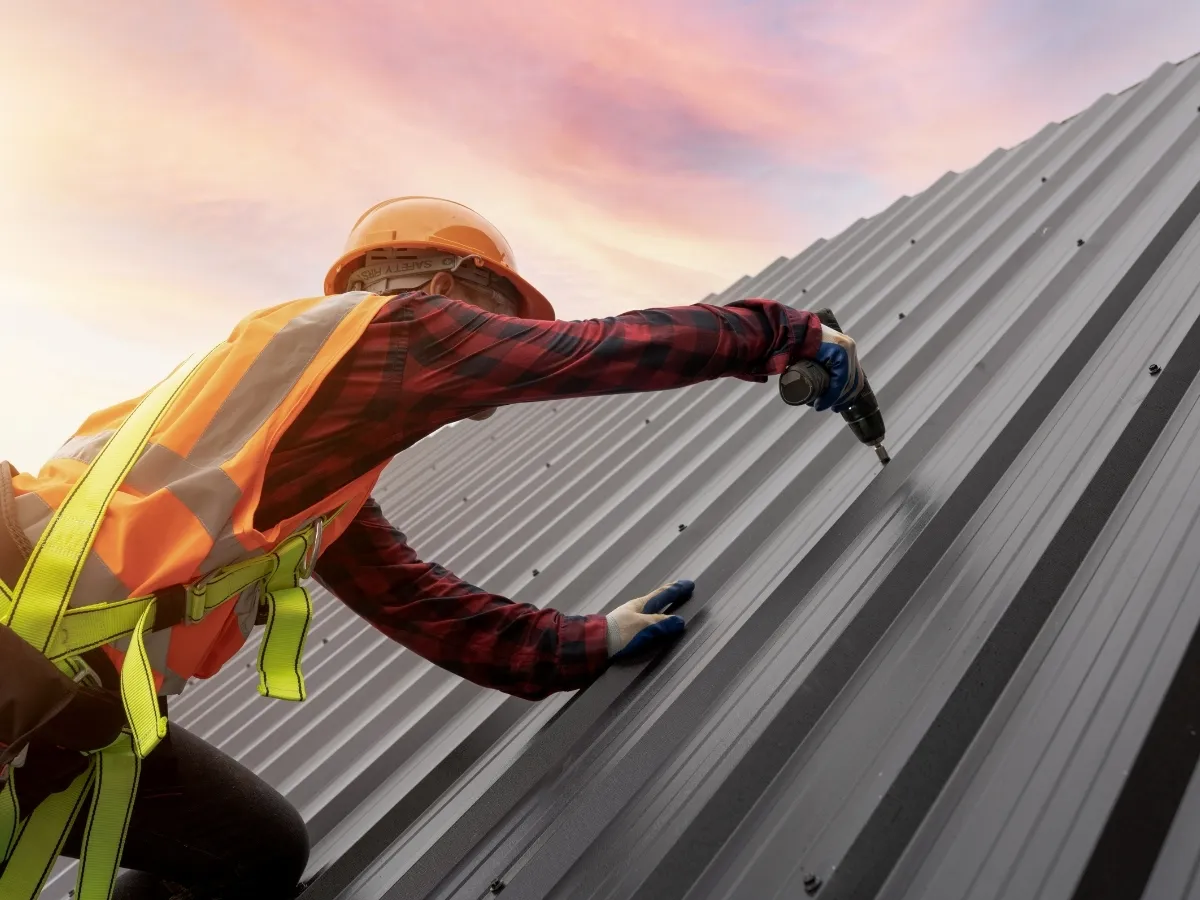
When most homeowners think about what damages a roof, they picture storms, hail, or heavy snowfall. What they often overlook is one of the most persistent and quietly destructive forces of all: humidity. Humidity roof damage does not happen overnight. It builds slowly over months and years, working its way into roofing materials, attic spaces, and structural components in ways that are easy to miss until the problem has already become serious. In a country like Canada, where many regions experience high humidity throughout much of the year, this is a threat every homeowner needs to understand. Knowing how moisture affects your roof is one of the most important steps you can take toward protecting your home and your investment.
What Is Humidity and Why Does It Matter for Roofs?
Humidity refers to the amount of water vapour present in the air at any given time. Relative humidity is the measure most people are familiar with, expressed as a percentage of how much moisture the air holds compared to how much it could hold at a given temperature. When relative humidity is high, the air is saturated with moisture, and that moisture looks for surfaces to condense on, materials to penetrate, and gaps to seep into. Your roof, sitting exposed to the elements day and night, is one of the primary surfaces that bears the brunt of this ongoing moisture exposure.
High humidity does not need to come from rain to cause damage. Even on dry days, humid air carries enough moisture to affect roofing materials over time. In coastal regions like Metro Vancouver and Victoria, humidity levels remain elevated for much of the year, creating a sustained environment of moisture stress for rooftops. In other parts of Canada, summer humidity spikes can be just as damaging even when the winter months are dry. Wherever you live, if your roof is not designed and maintained to resist moisture, humidity roof damage is a matter of when, not if.
How Humidity Damages Roofing Materials
Different roofing materials respond to humidity in different ways, but none of them are completely immune. Understanding how moisture affects the specific material on your roof helps you take targeted action to extend its lifespan and catch problems early.
Asphalt Shingles
Asphalt shingles are the most widely used roofing material in Canada, and they are reasonably moisture-resistant when new. However, as they age, the granules that protect the asphalt layer from UV rays and moisture begin to wear away, leaving the underlying material exposed. Once that protective layer is compromised, humidity accelerates the degradation process significantly. The asphalt becomes brittle and begins to crack, curl, and lose its ability to shed water effectively. High humidity also encourages the growth of moss, algae, and lichen on asphalt shingles, which trap additional moisture against the surface and speed up breakdown even further.
Wood Shakes and Shingles
Wood is naturally porous and absorbs moisture readily, which makes it particularly vulnerable to humidity roof damage. In a humid environment, wood shakes and shingles go through repeated cycles of absorbing moisture and drying out, causing them to expand and contract constantly. Over time, this movement leads to splitting, warping, and cracking that allows water to penetrate beneath the roofing surface. Without proper treatment, cleaning, and ventilation, wood roofing in humid climates can fail well before its expected lifespan.
Metal Roofing
Metal is generally one of the more humidity-resistant roofing materials available, but it is not entirely problem-free in high-moisture environments. Where metal panels meet fasteners, flashings, or other components, there is potential for galvanic corrosion when dissimilar metals come into contact in the presence of moisture. Condensation can also build up on the underside of metal roofing panels in humid conditions, particularly when there is insufficient ventilation beneath the roof deck. This trapped moisture can cause the structural components below the metal to rot even when the metal itself remains intact.
Flat Roof Membranes
Flat and low-slope roofs are especially vulnerable to humidity-related issues because they do not shed water and moisture as readily as pitched roofs. Membrane systems used on flat roofs, including TPO, EPDM, and modified bitumen, rely on seamless installation and watertight joints to keep moisture out. In high-humidity environments, even minor imperfections in seams or flashings can allow moisture to work its way beneath the membrane, where it becomes trapped and causes ongoing damage to the roof deck and insulation below. Our waterproofing solutions are specifically designed to create a reliable moisture barrier for flat and low-slope roofs in humid Canadian climates.
The Hidden Danger: Attic Moisture and Roof Deck Rot
One of the most damaging and least visible effects of humidity on a roof is what happens in the attic space beneath it. Warm, humid air from inside your home rises and enters the attic through gaps, penetrations, and inadequate vapour barriers. When that warm, moist air hits the cooler underside of the roof deck, it condenses into liquid water. Over time, this condensation saturates the roof deck, which is typically made of plywood or oriented strand board, and causes it to soften, swell, and eventually rot.
Roof deck rot is a serious structural problem because the deck is what your roofing material is fastened to. When the deck deteriorates, fasteners lose their grip, roofing materials shift and separate, and the entire system becomes compromised. By the time this damage is visible from outside the home, it has often already progressed to a point where significant sections of the roof deck need to be replaced. This is one of the reasons why attic inspections are such an important part of any comprehensive roof assessment.
Mould is another consequence of sustained attic moisture. When humidity levels in an attic remain elevated for extended periods, mould and mildew can take hold in the insulation, on the wood framing, and on the underside of the roof deck. Mould does not just cause structural damage. It poses real health risks to the people living in the home below. Addressing the conditions that allow mould to grow, including poor ventilation, inadequate vapour barriers, and insufficient attic insulation, is just as important as treating the mould itself once it appears.
The Role of Ventilation in Preventing Humidity Roof Damage
Proper roof ventilation is one of the most effective defences against humidity roof damage, yet it is one of the most commonly overlooked aspects of roofing systems. A well-ventilated roof allows humid air to move through and out of the attic space rather than accumulating and condensing on the roof deck and structural components. This continuous airflow keeps moisture levels in the attic within a safe range year-round, reducing the risk of rot, mould, and condensation damage.
A properly functioning ventilation system includes both intake vents, typically located at the soffits, and exhaust vents at or near the ridge. This arrangement allows cooler, drier outside air to enter at the bottom of the attic while warm, moist air exits at the top. When this balance is disrupted, whether by blocked soffits, insufficient ridge venting, or poorly placed attic insulation that covers intake vents, moisture begins to build up. Many homeowners do not realize their ventilation is inadequate until they start seeing signs of damage on the roof surface or inside the attic.
In our experience working on roofing services across BC, inadequate ventilation is one of the leading contributing factors to premature roof failure. The good news is that ventilation issues are often relatively straightforward to address when caught early. Adding soffit vents, installing a ridge vent, or adjusting insulation placement can make a meaningful difference in how well your roof manages humidity over the long term.
Moss, Algae, and Lichen: Humidity’s Visible Damage
One of the most visible signs of humidity roof damage is the growth of moss, algae, and lichen on roofing surfaces. These organisms thrive in moist, shaded environments, and a humid climate provides exactly the conditions they need. Algae typically appear first as dark streaks or staining on shingles. Moss follows, taking root in the granules of asphalt shingles or the rough texture of wood roofing and building up into thick patches that hold moisture against the roofing surface. Lichen, a combination of algae and fungus, bonds tightly to roofing materials and can be particularly difficult to remove without causing additional damage.
The problem with all three of these organisms is that they do not just look bad. They actively contribute to the breakdown of roofing materials by holding moisture against surfaces that are meant to dry out between rain events. Moss in particular can lift the edges of shingles as it grows, creating gaps that allow water to infiltrate beneath the roofing layer. Regular cleaning and the application of zinc or copper-based treatments can help control biological growth on roofs in humid climates, but prevention through good ventilation and proper material selection is always more effective than remediation.
Warning Signs of Humidity Roof Damage
Knowing what to look for can help you catch humidity-related roof damage before it escalates into a major repair or full replacement. Watch for these signs:
- Dark streaks or staining on your shingles, which often indicate algae growth caused by persistent moisture exposure.
- Moss or lichen patches on your roofing surface, particularly on north-facing slopes that stay shaded and damp longer than other areas.
- Curling, cupping, or buckling shingles, which can result from moisture getting beneath the shingle layer and causing the materials below to swell.
- Water stains on ceilings or walls inside your home, which may indicate that moisture is making its way through a compromised roof assembly.
- Musty smells in your attic, a strong indicator of mould or mildew growth caused by elevated humidity levels.
- Soft or spongy spots on the roof deck when walking on or inspecting the roof, which suggest the plywood or OSB beneath has been saturated and begun to rot.
- Peeling paint or bubbling on exterior soffits and fascia, which can indicate that moisture is escaping from the attic and affecting surrounding wood components.
If you notice any of these warning signs, it is worth acting quickly. Humidity roof damage tends to compound over time, meaning that a problem caught early is almost always cheaper and simpler to fix than one that has been allowed to progress through a full winter season.
Practical Steps to Protect Your Roof from Humidity
Protecting your roof from humidity does not require a major renovation. In many cases, a combination of good maintenance habits and targeted improvements can significantly extend your roof’s lifespan and reduce the risk of moisture-related damage.
- Ensure your attic is properly insulated and ventilated so that warm, moist interior air does not accumulate and condense on the underside of your roof deck.
- Install or upgrade vapour barriers in your attic to limit the amount of moisture-laden air that can move from your living space into the roof assembly.
- Clean your roof regularly to remove moss, algae, and debris that trap moisture against roofing surfaces, particularly if you live in a shaded or coastal area.
- Inspect and reseal flashings annually because these transition points between roofing materials and other structures are common entry points for moisture in humid conditions.
- Keep gutters and downspouts clear so that water drains away from your home efficiently rather than backing up and sitting against your roofline.
- Schedule professional inspections at least twice a year to catch early signs of humidity damage that may not be visible from the ground.
For commercial property owners, the stakes around humidity management are even higher because the roof surfaces are larger and the consequences of failure affect more people and more valuable assets. Our commercial roofing services include moisture assessment, ventilation audits, and tailored maintenance programs to help business owners stay ahead of humidity-related damage.
Final Thoughts
Humidity roof damage is one of the most underestimated threats to roofing systems across Canada, quietly working away at materials, decking, and structural components long before the damage becomes visible. From moss growth and shingle degradation to attic rot and mould, the effects of persistent moisture exposure touch every part of a roofing system and compound steadily over time without proper management. The good news is that humidity damage is largely preventable with the right materials, adequate ventilation, regular maintenance, and a professional eye on your roof’s condition. At Max Roofing, we have the regional expertise and hands-on experience to help homeowners and building owners across BC stay ahead of moisture damage before it becomes a costly problem. Get a roofing quote today and let us help you build a plan that keeps humidity where it belongs: outside your home.
You take pride in your property.
We take pride in our work.
Schedule a free roofing consultation & estimate.
By submitting this form, you agree to be contacted by Max Roofing BC regarding your inquiry.