
How to Choose the Best Flat Roof Insulation for Your Building
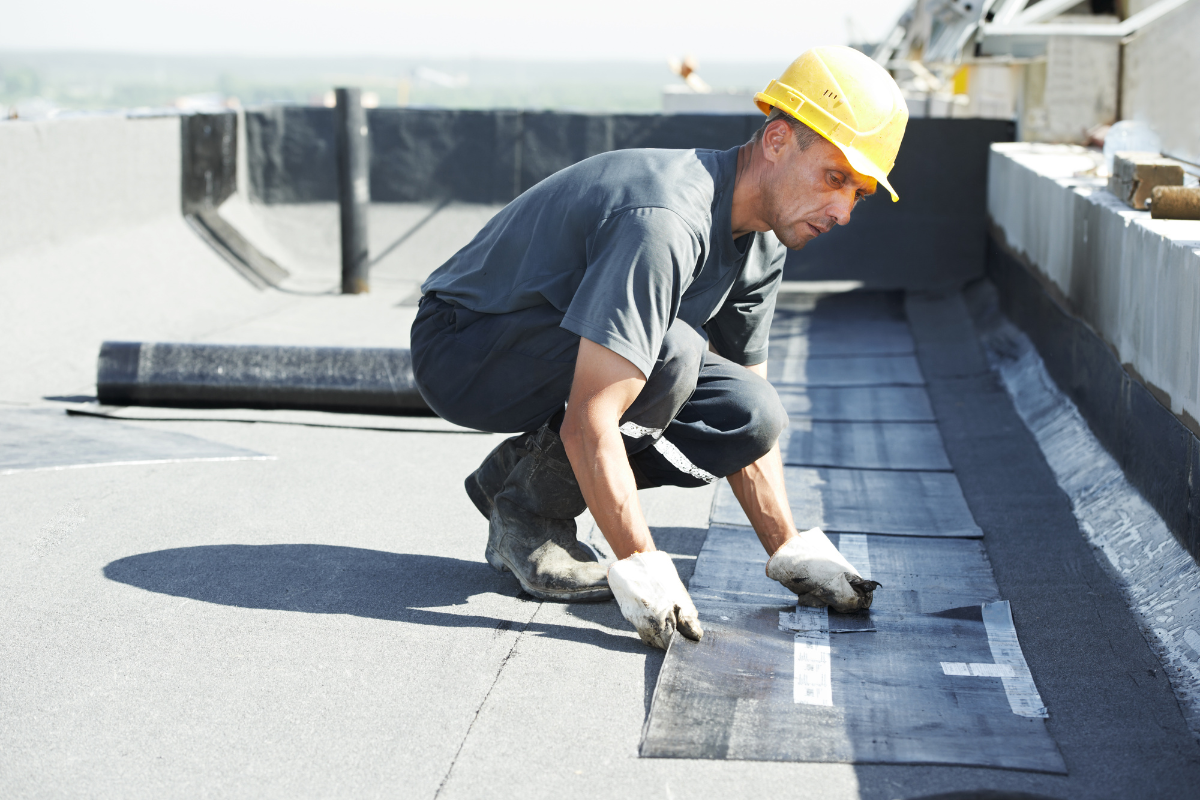
When it comes to roofing, insulation plays a crucial role in ensuring your building’s comfort and energy efficiency. Choosing the right flat roof insulation is essential for maintaining consistent temperature control, reducing energy costs, and prolonging the lifespan of your roof. Whether you’re upgrading your current roofing or building from scratch, understanding the different types of flat roof insulation and their benefits can make all the difference.
Why Flat Roof Insulation is Important
Flat roof insulation helps to regulate the temperature inside your building. Without proper insulation, you might face higher energy bills due to heat loss in winter or excessive heat absorption in summer.
Insulation also protects your roof structure from extreme weather conditions, preventing damage caused by moisture, snow, or ice. Choosing the best flat roof insulation ensures that your building stays comfortable year-round while saving on energy costs.
Key Factors to Consider When Choosing Flat Roof Insulation
Selecting the right insulation for your flat roof involves understanding the unique requirements of your building. Here are the key factors to consider when making your decision:
1. Type of Insulation Material
Choosing the right insulation material is crucial for ensuring the efficiency and durability of your flat roof. Each material has distinct properties that cater to different needs, making it essential to choose one that best aligns with your building’s requirements and local climate conditions.
Here are some of the most commonly used flat roof insulation materials and their benefits:
Polyisocyanurate (Polyiso)
Polyisocyanurate, or Polyiso, is one of the most popular choices for flat roof insulation due to its excellent thermal performance and high R-value. It offers outstanding insulation properties, meaning it does a great job of resisting heat transfer, keeping your building warm during the winter and cool in the summer.
Polyiso is also resistant to moisture, making it a great option for regions that experience high humidity or fluctuating temperatures. However, it is essential to note that Polyiso requires proper installation to maintain its effectiveness, as improper sealing can lead to moisture ingress.
Extruded Polystyrene (XPS)
Extruded Polystyrene (XPS) is known for its durability and moisture resistance. It has a closed-cell structure, which helps prevent water from seeping through, making it an excellent choice for areas prone to rain or snowfall.
XPS provides good insulation, though not as high as Polyiso, but its moisture resistance and structural integrity make it ideal for flat roofs exposed to harsh weather conditions. Additionally, XPS is highly resistant to compression, which helps maintain its insulating properties over time.
However, it’s worth noting that XPS is not as eco-friendly as other materials, as it contains substances that may not be easily recyclable.
Expanded Polystyrene (EPS)
Expanded Polystyrene (EPS) is a more cost-effective option for flat roof insulation that still provides reasonable thermal resistance. It’s made from a foam material that consists of tiny air pockets, giving it good insulating properties at a lower price point.
EPS is lightweight and easy to handle, making it a preferred choice for budget-conscious projects. However, it doesn’t offer the same moisture resistance as XPS or Polyiso, so it’s best suited for dry climates or areas with minimal moisture exposure.
While EPS can perform well for insulation, it’s important to consider additional moisture control measures in environments with higher humidity.
Mineral Wool (Rock Wool)
Mineral wool, also known as rock wool, is another effective insulation material that is well-suited for flat roof insulation. This material is made from natural rocks and minerals that are melted and spun into fibres, creating a highly effective insulator.
One of the key advantages of mineral wool is its excellent fire-resistant properties, making it a great option for buildings in fire-prone areas. It also provides soundproofing benefits, reducing noise transmission between floors.
Mineral wool has good thermal insulation but is generally less efficient than Polyiso in terms of R-value. It’s also somewhat more expensive compared to EPS but can be a great investment for added safety and comfort in the building.
Each material offers different benefits, so it’s important to consult a commercial roofing contractor to determine which option best suits your building’s needs.
2. R-Value
The R-value measures how well an insulation material resists heat flow. The higher the R-value, the better the insulation. For flat roofs, you’ll want to choose a material with a high R-value to maximize energy efficiency.
3. Moisture Resistance
Flat roofs are more prone to water accumulation, especially in areas with heavy rainfall or snowfall. Choosing an insulation material with moisture resistance is vital to avoid issues like mould growth and insulation degradation. Materials like XPS and Polyiso are known for their moisture-resistant properties, which can help protect your roof from long-term damage.
4. Environmental Impact
As sustainability becomes increasingly important, it’s essential to consider the environmental impact of the insulation material. Look for options made from recycled materials or those that are easily recyclable at the end of their life cycle.
Some materials, like EPS, are more eco-friendly than others. Consult your commercial roofing contractor for recommendations on environmentally friendly insulation solutions.
Advantages of Proper Flat Roof Insulation
Proper flat roof insulation offers a variety of benefits, including:
- Energy Efficiency: Insulation helps reduce heating and cooling costs by preventing heat from escaping during the winter and keeping the building cooler during the summer.
- Longevity: A well-insulated roof is less prone to damage from extreme temperatures or moisture, extending its lifespan.
- Comfort: Proper insulation maintains a comfortable indoor temperature, regardless of the weather outside.
- Soundproofing: Insulation can help reduce noise from both external sources (like traffic) and internal sources (like HVAC systems).
How a Professional Roofing Contractor Can Help
Choosing the right flat roof insulation is no easy task, especially with so many options available. A professional “roofing contractor near me” has the expertise to assess your building’s needs and recommend the best insulation solutions based on your climate, budget, and specific requirements.
A commercial roofing contractor can also handle the installation process, ensuring that the insulation is properly fitted and that the roof is sealed correctly to prevent future leaks or damage. This professional guidance is invaluable for protecting your investment and ensuring your building’s long-term energy efficiency.
When choosing flat roof insulation, it’s important to consider the type of material, the R-value, moisture resistance, and environmental impact. By taking these factors into account, you can select the best insulation for your building and enjoy the benefits of improved energy efficiency, comfort, and longevity.
Working with an experienced roofing contractor near you will ensure that your insulation is installed correctly, saving you time, money, and stress. For the best flat roof insulation solutions, trust Mr. Max Roofing to guide you every step of the way.
Ready to improve your building’s energy efficiency with top-quality flat roof insulation? Contact Mr. Max Roofing today to schedule a consultation with our expert team and get started on your roofing project. Don’t wait, ensure the protection and comfort of your building now!
You take pride in your property.
We take pride in our work.
Schedule a free roofing consultation & estimate.
By submitting this form, you agree to be contacted by Max Roofing BC regarding your inquiry.