
What Is Roof Decking and When Should It Be Replaced?
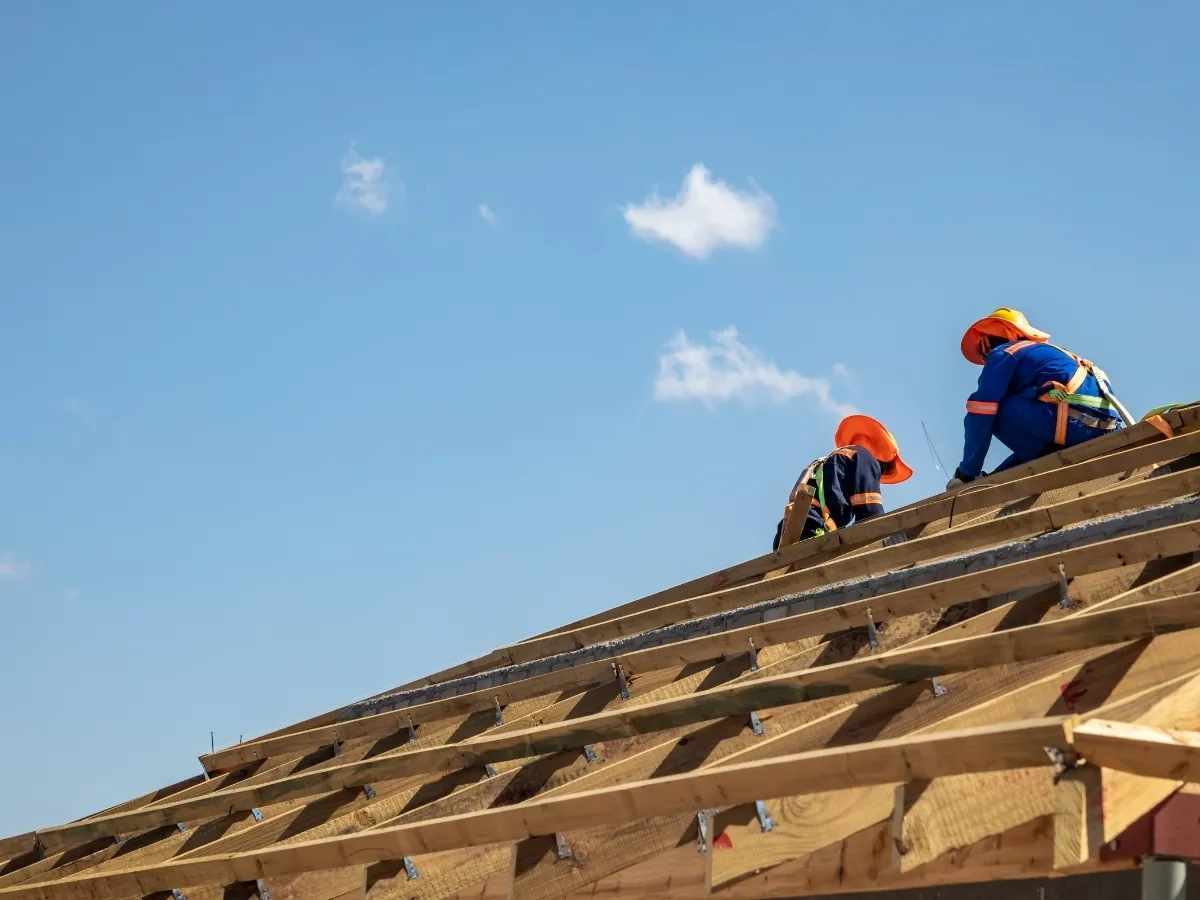
Your roof is made up of several layers that work together to protect your home from the elements, and each one plays a specific role. Most homeowners are familiar with shingles, gutters, and flashings, but there is one foundational component that often gets overlooked until something goes seriously wrong. Roof decking is the solid structural layer that sits beneath your underlayment and outer roofing materials, forming the base that everything else is attached to. Without a strong, healthy deck, even the best shingles in the world cannot do their job properly. At Max Roofing, we want BC homeowners to understand what roof decking is, why it matters, and the key signs that roof decking replacement may be needed before damage spreads further into your home.
What Is Roof Decking?
Roof decking, also called roof sheathing, is the flat board material that covers your home’s roof frame or truss system. It creates a continuous, solid surface over the structural supports of your roof, giving the underlayment and outer roofing materials something strong and stable to attach to. Without decking, there would be no surface for nails, screws, or adhesives to grip, and your roofing materials would have no structural support beneath them. The decking also contributes to the overall rigidity of your roof structure, helping it resist wind uplift and the weight of snow loads. It is, in many ways, the foundation of your entire roofing system.
Most roof decking in Canadian homes is made from one of two materials: plywood or oriented strand board, commonly known as OSB. Plywood has been used in roofing construction for many decades and is valued for its strength and resistance to moisture when properly protected. OSB is a newer, more affordable alternative made from compressed wood strands and adhesives, and it is now the most widely used decking material in new residential construction across Canada. Both materials perform well when properly installed and maintained, but both are vulnerable to moisture damage if the roofing layers above them fail. In older homes across BC, you may also find solid wood plank decking, which was standard before sheet materials became widely available.
The thickness of your roof decking matters too. Most residential roofing projects use decking that is either 7/16 inch or 5/8 inch thick, depending on the spacing of the roof’s support structure underneath. Thicker decking provides more rigidity and a stronger nailing surface for roofing materials, which is particularly important in areas with heavy snow loads or high winds. BC’s building code sets minimum requirements for decking thickness based on the span between supports, and a qualified roofing contractor will always ensure the right product is used. Understanding what your decking is made of and how thick it is helps you have more informed conversations with your roofing professional when repairs or replacements come up.
The Role Roof Decking Plays in Your Roof System
Roof decking does more than just provide a nailing surface, it is an active part of your roof’s overall performance. It distributes loads evenly across the roof’s structural frame, which means it helps spread the weight of snow, rain, and roofing materials so no single point bears too much stress. A properly installed deck also helps your roof resist racking forces, which are the sideways movements caused by wind and seismic activity. In earthquake-prone parts of BC, this structural contribution is especially meaningful. A compromised deck weakens the entire system and puts your home at risk in ways that go beyond just a leaky roof.
Decking also plays an indirect role in your home’s energy efficiency. When the deck is in good condition and tightly installed, it reduces air infiltration through the roof assembly, which helps keep conditioned air inside your home. A deck with gaps, rot, or missing sections allows outside air to move more freely through the roof structure, making your heating and cooling systems work harder. Combined with proper insulation and ventilation in the attic space, a solid roof deck contributes to a more comfortable and energy-efficient home. It is one of those components that quietly does a lot of work without ever drawing attention to itself.
For both residential and commercial roofing systems, the condition of the decking directly affects the quality and longevity of any roofing installation. When a roofing crew removes your old shingles or membrane during a replacement project, one of the first things they should do is carefully inspect the deck for soft spots, rot, staining, and structural damage. Installing new roofing materials over a compromised deck is one of the most common mistakes made in low-quality roofing jobs, and it is a mistake that always catches up with the homeowner eventually. At Max Roofing, we never skip this step, the deck inspection is a non-negotiable part of every roofing project we take on.
Common Causes of Roof Decking Damage
Understanding what damages roof decking helps you take the right preventive steps and recognize when something is wrong. The most common culprit is moisture, which can come from many different sources and attack your decking from multiple directions at once. When roofing materials above the deck fail, whether due to damaged shingles, cracked flashings, or blocked gutters, water finds its way down to the deck and begins to saturate the wood. Over time, this moisture causes the wood fibres to break down, leading to rot, softness, and eventually structural failure. In BC’s wet climate, moisture-related decking damage is by far the most frequent issue our team encounters.
Poor attic ventilation is another leading cause of decking damage that many homeowners do not immediately connect to their roof. When warm, humid air from inside your home rises into the attic and has nowhere to escape, it condenses on the underside of the roof deck. This repeated wetting and drying cycle weakens the wood over time, even if the outer roofing materials are completely intact. Mould and mildew can take hold in these conditions as well, spreading across the underside of the deck and into the attic insulation. Fixing a ventilation problem before it damages your deck is far less expensive than replacing sections of rotted sheathing later on.
Physical damage from storms, fallen branches, or animals can also compromise your roof decking. A heavy branch landing on your roof can crack or punch through the sheathing, leaving a vulnerable gap in the structure. Animals like squirrels and raccoons can chew through damaged areas and nest inside the roof assembly, causing significant damage to the deck and surrounding materials. Age is a factor as well, decking installed decades ago may simply be at the end of its useful life, especially if the roof above it has not been consistently maintained. Regular roof inspections help you catch these problems early and address them before they escalate.
Signs That Roof Decking Replacement May Be Needed
Because roof decking is hidden beneath layers of underlayment and roofing material, you cannot inspect it directly without removing those layers first. However, there are several warning signs that suggest your decking may be compromised, and knowing what to look for can save you from a much more serious and expensive repair down the road. If you notice any of the following, it is time to call in a professional for a thorough inspection.
Visible Sagging or Dipping
One of the most obvious signs of decking damage is a roof that visibly sags or dips in certain areas when viewed from the ground or from a neighbour’s elevated vantage point. A healthy roof deck creates a flat, even plane across each section of the roof. When the deck is rotting or structurally compromised, the weight of the roofing materials above pushes down on the weakened area, causing it to bow inward. Sagging is a serious warning sign that should never be ignored, as it indicates the deck has lost significant structural integrity. Addressing it quickly is critical to preventing further damage to the roof frame beneath.
Soft or Spongy Spots
During a professional roof inspection, contractors will often walk the roof surface carefully to check for soft or spongy areas underfoot. A healthy deck feels firm and solid, while a compromised one will give slightly under pressure. These soft spots are a direct indicator of rot or moisture saturation in the wood below the shingles. Homeowners should not attempt to walk on their own roof to check for this, as a weakened deck can be dangerous. Instead, an experienced roofer can identify these areas safely and assess how widespread the damage is.
Water Stains or Mould in the Attic
Checking your attic regularly is one of the best ways to monitor the health of your roof decking from the inside. Water stains, dark discolouration, or visible mould growth on the underside of the deck are all clear signs of moisture infiltration. If you notice a musty smell in your attic, that is also a strong indicator that mould or mildew is present, even if you cannot see it clearly. These interior warning signs often appear before any exterior damage becomes obvious, giving you an earlier opportunity to act. Our team provides comprehensive inspections as part of our roofing services across BC to help homeowners catch these issues before they worsen.
Granules Collecting in Gutters
While granule loss from asphalt shingles is primarily a sign of shingle wear, it can also indicate that moisture is working its way through the roofing system and accelerating deterioration from below. When the deck is saturated, it can cause shingles above it to buckle, crack, or shed their protective granule coating faster than normal. If you are consistently finding large amounts of granules in your gutters, it is worth having the full roofing system, including the deck, professionally assessed. Granule loss on its own does not confirm decking damage, but it is a red flag worth investigating further.
Active Leaks or Persistent Moisture
If you are experiencing active leaks inside your home, especially recurring ones that keep coming back even after the outer roofing materials have been repaired, the deck may be the underlying cause. A deck that has absorbed significant moisture will continue to allow water infiltration even after surface repairs are made, because the saturated wood creates pathways for water to travel. Persistent moisture problems that do not resolve after shingle repairs are a strong signal that the deck itself needs attention. In these situations, simply patching the visible damage is not enough, the compromised decking must be addressed at the source.
The Roof Decking Replacement Process
When roof decking replacement is needed, it is typically carried out as part of a broader roofing project rather than as a standalone repair. In most cases, the outer roofing materials must be removed first to expose the deck, which gives the crew a clear view of the full extent of the damage. Partial replacement is possible when the damage is localized to a specific area, the damaged panels are cut out and new sheathing is installed in their place, ensuring a flush fit with the surrounding material. When damage is widespread, a full deck replacement may be more cost-effective and will provide a better foundation for the new roofing system.
The replacement process involves removing the damaged sheathing panels, inspecting the roof frame or trusses underneath for any signs of damage or rot, and then installing new panels that meet current building code requirements. Any damaged structural members should be repaired or reinforced before the new decking goes down. Once the new deck is in place, the installation of underlayment and outer roofing materials can proceed. This is also an ideal time to address any ventilation improvements that will help protect the new deck from moisture-related damage in the future. Proper waterproofing solutions installed over the new deck provide an additional layer of protection that helps extend the life of the entire roofing system.
The cost of roof decking replacement depends on the size of the area affected, the type of sheathing material used, and the labour involved in accessing and removing the damaged sections. While it adds to the overall cost of a roofing project, replacing compromised decking is never something to defer. Installing new shingles or membranes over a weak or rotted deck is a short-term solution that will lead to far greater expenses in the future. A solid, properly installed deck is the foundation that every other layer of your roof depends on, and it is worth every dollar to get it right.
How to Protect Your Roof Decking Long-Term
The best way to avoid costly roof decking replacement is to take good care of the roofing system above it. When your shingles, underlayment, flashings, and gutters are all in good condition, your decking is well protected from the moisture that causes most of its damage. Regular seasonal roof maintenance, including gutter cleaning and shingle inspections, is the single most effective thing you can do to extend the life of your decking. Catching a cracked flashing or a damaged shingle early means moisture never reaches the deck in the first place.
Attic ventilation and insulation are equally important for protecting your deck from the inside. A properly ventilated attic allows moist air to escape before it condenses on the underside of the sheathing, which dramatically reduces the risk of moisture damage over time. Making sure your attic has adequate intake and exhaust ventilation is a relatively simple and affordable upgrade that pays dividends for the life of your roof. Pairing good ventilation with properly installed insulation also helps prevent the heat loss that contributes to ice dam formation in colder parts of BC. These are small investments that protect a very large and important asset.
Final Thoughts
Roof decking replacement is one of those roofing topics that does not get talked about enough, but it is critically important for the long-term health of your home. Your roof deck is the foundation that every other layer sits on, and when it is compromised, the performance of your entire roofing system suffers. By knowing what to look for, staying on top of regular maintenance, and calling in a professional at the first sign of trouble, you can protect your deck and avoid the kind of extensive damage that turns a manageable repair into a major expense.
In BC’s wet and demanding climate, a strong and healthy roof deck is not a luxury, it is a necessity. When it comes to roof inspections, repairs, and full replacements, Max Roofing brings the expertise and attention to detail that BC homeowners can count on. Do not wait for small problems to become big ones, request your roofing quote today and let our team give your roof the thorough assessment it deserves.
You take pride in your property.
We take pride in our work.
Schedule a free roofing consultation & estimate.
By submitting this form, you agree to be contacted by Max Roofing BC regarding your inquiry.