
Why Waterproofing Is Critical for BC Roofs
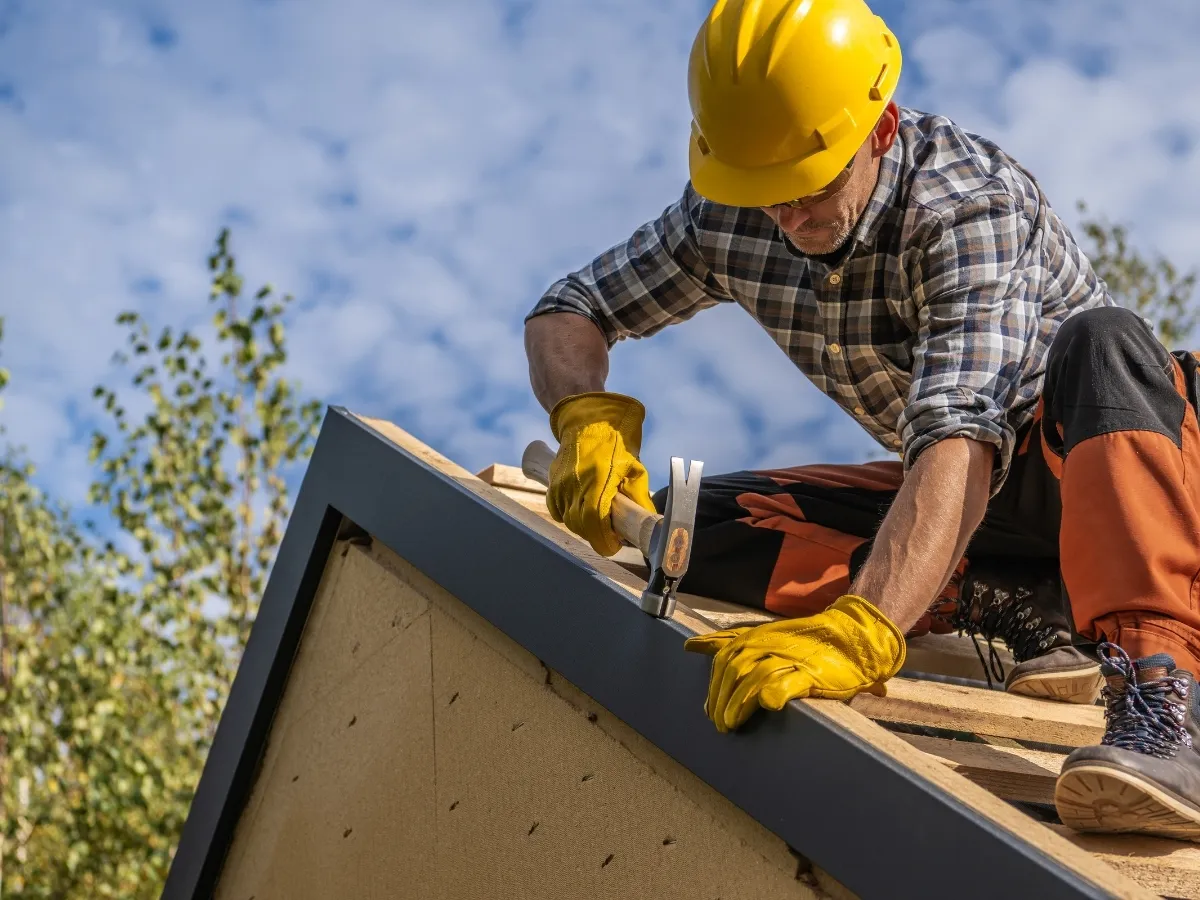
If you own a home in British Columbia, waterproofing is not a topic you can afford to ignore. BC’s climate is one of the wettest in Canada, and the cumulative effect of rain, humidity, condensation, and snowmelt puts roofing systems under relentless pressure every single year. Roof waterproofing BC homeowners invest in is the difference between a roof that performs reliably for decades and one that begins failing within just a few years of installation. Waterproofing is not simply an add-on or an upgrade. It is a foundational part of any roofing system designed to survive and thrive in BC’s demanding environment. Understanding why it matters and how it works will help you make smarter decisions about your home’s most important line of defence.
What Roof Waterproofing Actually Means
Many homeowners assume that a roof is waterproof by default, simply because it has shingles or panels on top. The reality is more complicated than that. Primary roofing materials like asphalt shingles, metal panels, and tiles are designed to shed water, not to be fully waterproof on their own. They work by directing water downward and off the roof surface, but they are not impermeable barriers. Gaps, seams, fastener holes, and the natural wear that occurs over time all create pathways through which water can infiltrate the system. Roof waterproofing refers to the additional layers, membranes, coatings, and sealants installed beneath and around primary roofing materials to create a true barrier against water penetration.
A complete waterproofing system for a BC roof typically includes several components working together. A high-quality underlayment covers the entire roof deck and acts as a secondary barrier if the primary roofing material is compromised. Ice and water shield membranes are applied in the most vulnerable areas, including eaves, valleys, and around penetrations like chimneys and skylights. Flashing seals the transitions between the roof surface and vertical elements. Sealants and coatings protect joints, fasteners, and any area where water might find a gap. Together, these components form a layered defence system that keeps your home dry even when individual elements are under stress.
Why BC’s Climate Makes Waterproofing Non-Negotiable
British Columbia receives some of the highest annual rainfall totals in Canada. Vancouver averages over 1,150 millimetres of rain per year, and many coastal and mountain communities receive significantly more. The wet season stretches from October through March, during which roofs are exposed to near-constant moisture. Even during the drier summer months, coastal humidity, morning fog, and overnight condensation continue to expose roofing systems to moisture. The sheer volume and consistency of water exposure in BC is simply not comparable to drier regions of the country, and a roofing system designed for those drier climates will underperform significantly in BC conditions.
Beyond rainfall, BC’s climate creates several additional moisture challenges that make thorough roof waterproofing BC properties need absolutely essential. Temperature fluctuations between seasons cause roofing materials to expand and contract repeatedly, which gradually loosens seams, fasteners, and flashing. Wind-driven rain, which is common during Pacific storm events, forces water horizontally into gaps that vertical rainfall would never reach. Snowmelt in BC’s interior and higher-elevation communities creates pooling water along eaves and in valleys that can work its way beneath shingles if proper ice and water shield membranes are not in place. Each of these factors adds to the moisture load that a BC roof must handle, and each one underscores why waterproofing needs to be taken seriously from the very first day a roof is installed.
The Consequences of Inadequate Waterproofing
Skipping or cutting corners on roof waterproofing in BC is a decision that tends to be very expensive in the long run. The consequences of inadequate waterproofing are not always immediate, which can give homeowners a false sense of security in the early years after installation. However, once water begins to infiltrate a roofing system, the damage it causes is progressive and compounds quickly. Here is what typically happens when a BC roof does not have adequate waterproofing protection.
Water that gets past the primary roofing layer reaches the underlayment. If the underlayment is low quality or has been improperly installed, water moves through to the roof deck below. Once the wooden roof deck becomes saturated, rot sets in. Rot spreads through wood quickly in BC’s humid conditions, weakening the structural integrity of the roof from the inside. At the same time, saturated wood and insulation create ideal conditions for mould and mildew growth, which poses health risks to the home’s occupants and requires expensive professional remediation to address properly.
As the damage progresses, water eventually finds its way into the attic space and then into the living areas of the home. By the time a homeowner notices water stains on their ceiling or active dripping during a rainstorm, the damage has typically been building for months or even years. At that point, a straightforward waterproofing upgrade has turned into a major repair or replacement project involving decking, insulation, interior finishes, and possibly structural components. The financial difference between proactive waterproofing and reactive repair is often tens of thousands of dollars.
Key Components of an Effective Roof Waterproofing System
Understanding what goes into a properly waterproofed BC roof helps homeowners ask the right questions when working with roofing contractors and evaluate whether their current roof is adequately protected.
High-Quality Underlayment
The underlayment is the layer of material installed directly on top of the roof deck, beneath the primary roofing material. It is the most important secondary barrier in a roof waterproofing system. In BC’s climate, synthetic underlayments are strongly preferred over traditional felt paper because they are more resistant to tearing, more stable in wet conditions, and provide better moisture protection. A quality synthetic underlayment covers the entire roof deck and provides a reliable backup barrier if the primary roofing material is ever lifted, cracked, or otherwise compromised during a storm or through age-related wear.
Ice and Water Shield Membranes
Ice and water shield is a self-adhering waterproof membrane applied to the most vulnerable areas of a roof deck before underlayment and primary roofing materials are installed. In BC, ice and water shield should be applied along all eaves, in all roof valleys, and around every penetration including chimneys, skylights, vents, and pipes. These are the areas where water is most likely to accumulate, back up, or be driven by wind, and the added protection of a self-sealing membrane in these locations dramatically reduces the risk of water infiltration. In regions of BC that experience snow and ice, ice and water shield along the eaves is particularly critical for preventing ice dam-related leaks.
Proper Flashing Installation and Maintenance
Flashing is the metal material used to seal the joints and transitions in a roofing system. It is installed wherever the roof meets a vertical surface, such as a chimney, dormer, or wall, and around every penetration. Properly installed flashing directs water away from these vulnerable joints and prevents it from working its way into the roof structure. In BC’s wet climate, flashing failures are one of the leading causes of roof leaks, and they are almost always preventable with quality installation and regular maintenance. Step flashing, counter flashing, and valley flashing must all be correctly overlapped, sealed, and periodically inspected to ensure they remain effective over time.
Roof Coatings and Sealants
Protective roof coatings and sealants add another layer of waterproofing protection, particularly for flat and low-slope roofs where water drainage is slower and pooling is more likely. Elastomeric coatings create a seamless, flexible waterproof membrane over the entire roof surface, filling small cracks and gaps that might otherwise allow water to penetrate. Sealants applied around fasteners, seams, and penetrations prevent water from using those small openings as entry points. In BC’s climate, these coatings need to be inspected and reapplied on a regular schedule to maintain their effectiveness, but the ongoing cost is far lower than the cost of water damage repairs.
Waterproofing for Flat and Low-Slope Roofs
Flat and low-slope roofs require special attention when it comes to waterproofing because their design does not allow water to shed as quickly or completely as pitched roofs. Water that pools on a flat roof surface has time to find and exploit any weakness in the membrane or seam below it. This is why flat roof waterproofing systems are fundamentally different from those used on pitched roofs. Rather than relying on water-shedding, flat roof waterproofing relies on fully waterproof membranes that prevent water from penetrating regardless of how long it sits on the surface.
TPO, EPDM, and modified bitumen are among the most common flat roof waterproofing membrane systems used in BC. Each has its own characteristics, installation requirements, and maintenance needs, but all are designed to create a continuous, seamless waterproof layer across the entire roof surface. Seams and edges are the most vulnerable points in any flat roof system, and they require careful installation and regular inspection. Roof drains must be kept clear and functioning properly to prevent water from accumulating to depths that stress the membrane. A professional waterproofing solution tailored to your specific roof type and climate exposure is the only reliable way to protect a flat roof in BC conditions.
Waterproofing and Commercial Properties in BC
Roof waterproofing BC commercial property owners need is just as critical as it is for homeowners, and in many ways the stakes are even higher. A leaking roof on a commercial building can disrupt business operations, damage inventory and equipment, create liability issues, and result in expensive emergency repairs at the worst possible times. Commercial buildings in BC often have large flat roof surfaces, multiple mechanical penetrations, and rooftop equipment that creates additional waterproofing challenges. Regular professional maintenance and inspection of commercial roofing systems is essential for protecting the business below. Working with a team experienced in commercial roofing services ensures that your waterproofing system is designed, installed, and maintained to the standard that BC’s climate demands.
How to Know If Your Roof’s Waterproofing Is Adequate
Many homeowners are unsure whether their current roof has adequate waterproofing for BC conditions, particularly if the home was built several decades ago or if the roof has not been professionally inspected in recent years. Here are some indicators that your waterproofing may be falling short:
- Water stains on ceilings or walls inside your home, even minor ones, suggest that moisture is getting past your roofing system
- Mould or mildew in your attic indicates that moisture is consistently present at levels the ventilation system cannot handle
- Visible rust or corrosion on flashing means the metal is deteriorating and may no longer be creating a watertight seal
- Granule buildup in gutters from aging asphalt shingles suggests the primary roofing layer is deteriorating and the underlayment below may be under increased stress
- Soft or spongy areas on the roof deck when walked on indicate that the decking has absorbed moisture and begun to rot
- Age of your roof is also a factor. If your current roof is more than 15 to 20 years old and has never had its waterproofing components inspected or updated, there is a strong likelihood that some elements are no longer performing as they should
Choosing the Right Roofing Partner for Waterproofing in BC
The quality of your roof waterproofing system depends heavily on the expertise of the contractor who installs it. Waterproofing is not a task where cutting corners saves money in any meaningful way. Improper installation of underlayment, flashing, or membranes creates vulnerabilities that can allow water infiltration within just a few seasons. The right roofing contractor will assess your specific home, your roof design, your local climate exposure, and your existing roofing system before recommending a waterproofing approach. They will use quality materials, follow manufacturer installation guidelines precisely, and provide you with a clear maintenance schedule to keep your waterproofing performing at its best for years to come. Exploring your options through professional roofing services is the best first step toward making sure your home has the waterproofing protection it genuinely needs.
Final Thoughts
Roof waterproofing BC homeowners invest in is not an optional upgrade or a luxury feature. It is a fundamental requirement for any roofing system expected to perform reliably in one of Canada’s wettest climates. From high-quality underlayment and ice and water shield membranes to proper flashing installation and protective coatings, every component of a waterproofing system plays a critical role in keeping your home dry, structurally sound, and free from the mould and rot that moisture damage brings. The cost of proper waterproofing is always a fraction of the cost of repairing the damage that results when it is inadequate or absent. At Max Roofing, we take waterproofing seriously because we know what BC weather is capable of, and we are committed to making sure every roof we work on is built to handle it. Get a roofing quote from our team today and give your home the protection it deserves.
You take pride in your property.
We take pride in our work.
Schedule a free roofing consultation & estimate.
By submitting this form, you agree to be contacted by Max Roofing BC regarding your inquiry.