
How Salt Air Affects Roofing Materials Near the Coast
Living near the coast in British Columbia is a dream for many homeowners. The ocean views, the fresh breeze, and the laid-back lifestyle make coastal living truly special. But that same salty ocean air that feels so refreshing can quietly cause serious damage to your home, starting right at the top. Salt air roof damage is one of the most overlooked threats facing homeowners near the BC coastline. Understanding how it works and what you can do about it could save you thousands of dollars in repairs down the road.
What Is Salt Air and Why Does It Matter for Your Roof?
Salt air is exactly what it sounds like: air that carries tiny salt particles from the ocean. When ocean waves crash and water evaporates, microscopic salt crystals get picked up by the wind and carried inland. These particles can travel surprisingly far, sometimes several kilometres from the shoreline, depending on wind conditions. When they land on your roof, they begin a slow but destructive process. Over time, the accumulation of salt on roofing materials leads to corrosion, deterioration, and costly structural issues.
The problem is that salt is a natural corrosive agent. It pulls moisture from the air and holds it against whatever surface it settles on. For roofing materials, this means prolonged exposure to moisture in a way that ordinary rain or humidity does not fully replicate. Regular rainfall can actually wash away some salt deposits, but in areas with steady coastal winds and less frequent heavy rain, salt builds up quickly. Homeowners often do not notice the damage until it has already progressed significantly.
How Salt Air Damages Different Roofing Materials
Not all roofing materials respond to salt air the same way. Some are more vulnerable than others, and knowing which materials hold up better near the coast can help you make smarter decisions when it is time for a repair or a full replacement.
Asphalt Shingles
Asphalt shingles are one of the most common roofing materials in Canada, and they are moderately vulnerable to salt air roof damage. Salt particles can break down the protective granule coating on asphalt shingles over time. Once those granules start to loosen and wash away, the shingles lose their ability to reflect UV rays and resist water. The asphalt layer beneath becomes brittle and begins to crack. In coastal climates, asphalt shingles tend to have a shorter lifespan than their rated durability would suggest, often by five to ten years.
Metal Roofing
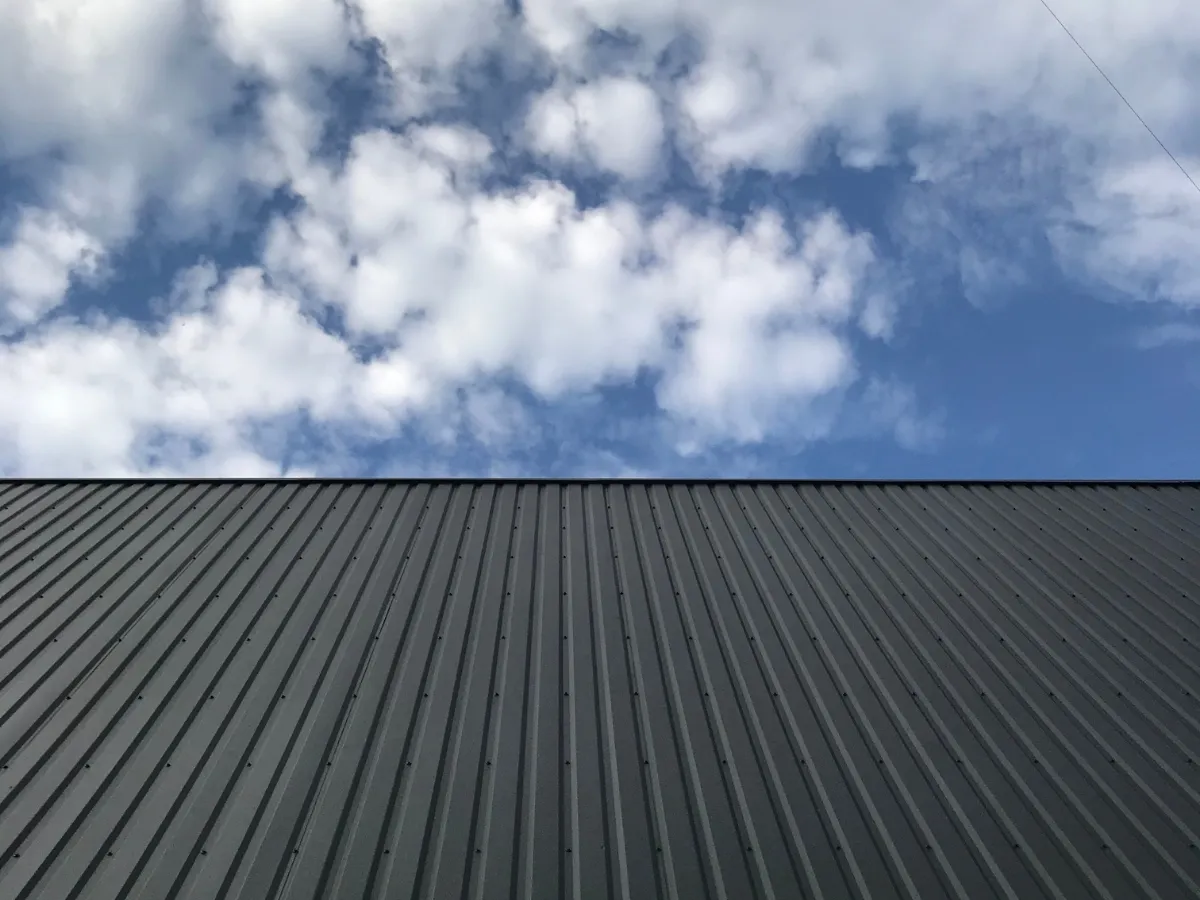
Metal roofing is a popular choice in BC, and while it offers many advantages, it is not immune to salt air damage. Galvanized steel, for example, has a zinc coating that protects against rust, but salt air can eat through that coating faster than in non-coastal environments. Once the protective layer is compromised, rust spreads quickly and can cause leaks or even structural weakness. Aluminum and copper are much better choices for coastal areas because they naturally resist corrosion. If you have a metal roof near the water, regular inspections and protective coatings are essential.
Wood Shakes and Shingles
Wood shakes may look beautiful and feel natural, but they struggle in salty, humid coastal environments. Salt air draws moisture into the wood grain and holds it there, which accelerates rot, mould, and fungal growth. Even treated wood is not fully protected against the combined effects of salt and ocean humidity. Over time, wood shakes can warp, split, and become structurally compromised. While some homeowners love the look of wood roofing, it requires significantly more maintenance in coastal areas compared to drier inland climates.
Flat and Low-Slope Roofing
Flat roofs are common on commercial buildings and some modern homes. These roofs are particularly susceptible to salt air damage because their design allows water and salt deposits to pool rather than drain off quickly. The membranes and sealants used on flat roofs can break down faster in salty conditions. Seams and joints are especially at risk because salt particles can work their way into tiny gaps and weaken the waterproofing layer. If you have a flat roof near the coast, staying on top of your waterproofing maintenance is not just recommended, it is critical.
Clay and Concrete Tiles
Clay and concrete tiles hold up reasonably well in coastal climates, but they are not completely problem-free. The mortar used to secure ridge caps and the metal flashing used around penetrations can corrode and deteriorate due to salt exposure. If the mortar cracks or the flashing fails, water can get underneath the tiles and cause damage to the roof deck below. Concrete tiles can also become porous over time, absorbing salt and moisture more readily. Regular sealing and inspection of the mortar and flashing are important for keeping tile roofs in good shape near the ocean.
Signs of Salt Air Roof Damage to Watch For
Catching salt air roof damage early is one of the best things you can do as a homeowner. Here are some warning signs that your roof may be suffering:
- Rust streaks or discolouration running down from metal components like flashing, fasteners, or vents
- Granule loss on asphalt shingles, which you might notice in your gutters or downspouts
- Cracking or curling shingles that look dry and brittle even without extreme sun exposure
- Soft or spongy spots when you walk on the roof, which can indicate rotting decking beneath
- Visible mould or algae growth, which thrives in the moist, salty conditions of coastal environments
- Lifted or missing shingles that have lost their adhesion due to material breakdown
- Staining or watermarks on your interior ceilings, which point to leaks that may have gone unnoticed
If you notice any of these signs, it is a good idea to get a professional inspection as soon as possible. Salt air roof damage tends to progress faster than damage caused by typical weather conditions, so waiting too long can turn a manageable repair into a major expense.
How to Protect Your Roof from Salt Air Damage
The good news is that salt air roof damage is not inevitable. There are practical steps you can take to slow down the effects of coastal conditions and extend the life of your roof significantly.
Choose the Right Materials from the Start
If you are building a new home near the coast or planning a full roof replacement, choosing the right materials from the beginning makes a huge difference. Aluminum and copper roofing products resist corrosion much better than galvanized steel. Synthetic roofing materials, such as polymer shingles, are engineered to handle moisture and salt exposure and can be an excellent long-term investment. Talk to a professional roofing contractor who understands the specific demands of coastal climates in British Columbia. The roofing services you choose should always be tailored to your local environment.
Apply Protective Coatings
Protective roof coatings are one of the most effective defences against salt air. These coatings create a barrier between your roofing materials and the elements, slowing down corrosion and reducing moisture absorption. Coatings are available for metal roofs, flat roofing membranes, and even asphalt shingles. They need to be reapplied on a regular schedule to remain effective, but the cost is far lower than dealing with major storm or corrosion damage. Ask your roofing contractor about the best coating options for your specific roof type and location.
Schedule Regular Roof Inspections
One of the simplest and most important things you can do is schedule a professional roof inspection at least once a year, and ideally twice a year if you live very close to the water. A qualified inspector can catch early signs of salt air damage before they turn into serious problems. They can check flashing, seams, granule loss, and all the vulnerable spots that are easy to overlook from the ground. Early intervention almost always results in lower repair costs and a longer roof lifespan.
Keep Your Roof Clean
Salt deposits can build up on your roof surface over time, especially if you do not get heavy rainfall to rinse them away. A gentle roof cleaning with fresh water can help wash away salt accumulation and reduce the speed of deterioration. Be careful not to use high-pressure washing, which can damage shingles and remove protective granules. Keeping your gutters clean is also important because blocked gutters can cause water and salt to pool along your roofline, accelerating damage right where it hurts most.
Address Repairs Promptly
When damage does occur, do not delay getting it fixed. A cracked piece of flashing or a few missing shingles might seem minor, but in a coastal environment with constant salt air exposure, small problems escalate quickly. Water that gets under your roofing materials can cause rot, mould, and structural damage in a very short time. Prompt repairs protect not only your roof but also your attic, walls, and the overall integrity of your home.
Commercial Roofing and Salt Air: A Special Concern
Salt air roof damage is not just a problem for homeowners. Commercial buildings near the BC coast face the same challenges, often on a larger scale. Flat commercial roofs have more surface area exposed to salt-laden air and are more likely to have pooling issues that accelerate damage. Metal components like HVAC units, exhaust vents, and rooftop equipment supports are all vulnerable to corrosion in coastal conditions. If you manage a commercial property near the water, partnering with a contractor experienced in commercial roofing services for coastal environments is essential. Preventive maintenance programs designed for commercial buildings can save significant money and protect your business operations from unexpected disruptions.
The Long-Term Cost of Ignoring Salt Air Damage
Homeowners sometimes put off roof maintenance because it feels like an expense they can delay. But with salt air roof damage, delay usually makes things significantly more expensive. A simple re-coating or minor repair that costs a few hundred dollars today can prevent a full roof replacement costing tens of thousands of dollars just a few years later. Beyond the roof itself, water infiltration caused by salt air damage can ruin insulation, damage ceilings, cause mould growth, and compromise the structural components of your home. Protecting your roof is truly protecting your entire home and your investment in it.
Ready to Protect Your Coastal Roof?
If you live near the BC coastline and have concerns about how salt air is affecting your home, the smartest move you can make right now is to get a professional assessment. Do not wait until you see water stains on your ceiling or rust running down your siding. Proactive attention to your roof in a coastal environment is the difference between a minor maintenance cost and a major financial headache. Get a roofing quote from Max Roofing today and let our experienced team help you understand exactly what your roof needs to stand up to everything the BC coast can throw at it.
Final Thoughts
Salt air roof damage is a genuine and serious threat for homeowners and business owners near the British Columbia coast. From breaking down asphalt shingles to corroding metal components and compromising waterproofing membranes, salt air works quietly and persistently against your roofing materials. The key is to stay informed, choose the right materials, maintain a regular inspection schedule, and act quickly when problems arise. Your roof is your first line of defence against the elements, and in a coastal environment, it needs a little extra care. At Max Roofing, we understand the unique challenges of roofing in BC’s coastal communities, and we are here to help you keep your home protected, strong, and looking great for years to come.
You take pride in your property.
We take pride in our work.
Schedule a free roofing consultation & estimate.
By submitting this form, you agree to be contacted by Max Roofing BC regarding your inquiry.