
How to Spot Early Signs of Structural Roof Damage
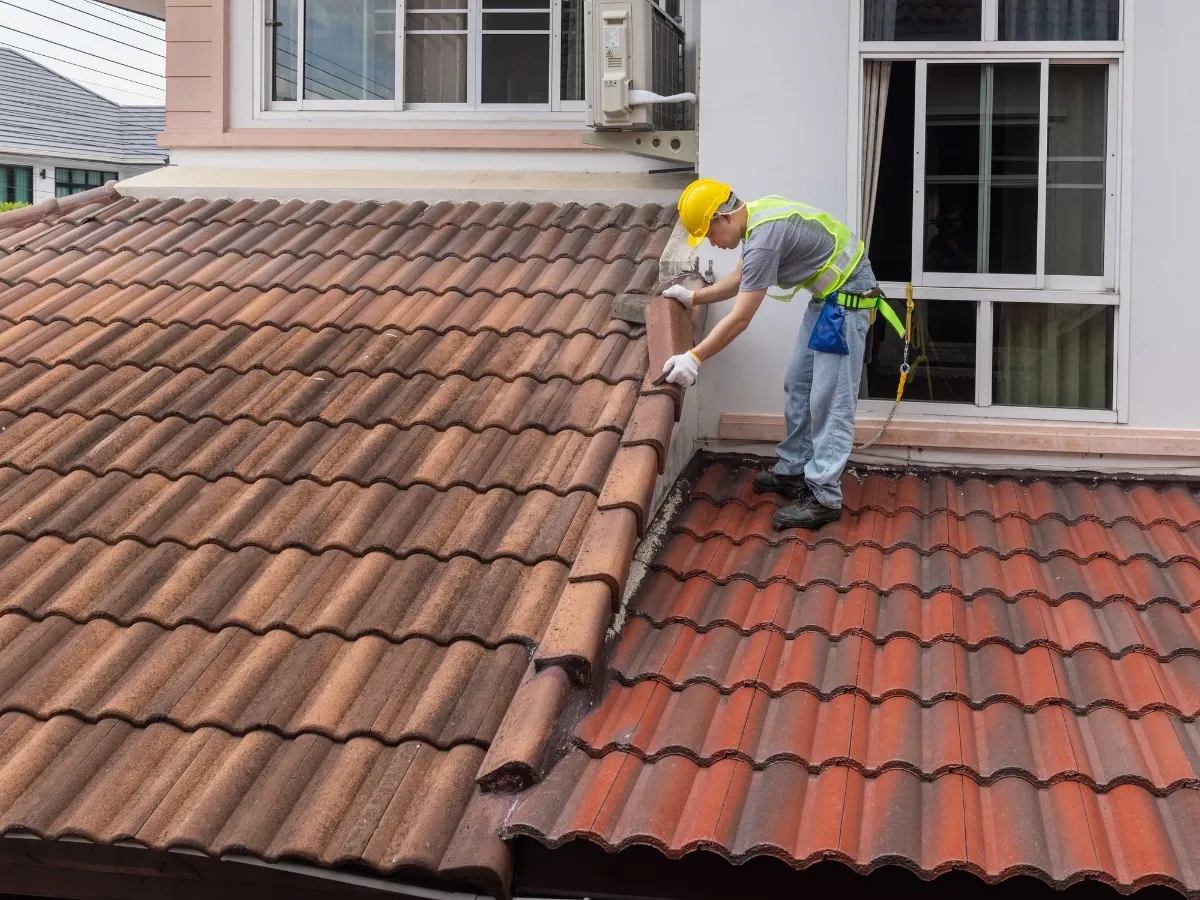
Your roof does an extraordinary amount of work every single day, shielding your home from rain, wind, snow, and everything else BC’s climate throws at it. Most of the time, it does this job quietly and without complaint. But when structural problems start to develop, your roof will send signals, and knowing how to read those signals can make the difference between a manageable repair and a full-scale roofing emergency. Structural roof damage is not always dramatic or obvious, especially in its early stages, and that is exactly what makes it so dangerous. At Max Roofing, we want BC homeowners to feel confident identifying structural roof damage signs early, so small issues can be addressed before they grow into serious and expensive problems.
What Is Structural Roof Damage?
Structural roof damage refers to any compromise to the load-bearing components of your roof system. This includes the rafters, trusses, roof decking, ridge board, and any other framing elements that give your roof its shape and strength. Unlike surface damage, such as a cracked shingle or a small leak around a flashing, structural damage affects the integrity of the roof itself and can have serious consequences for the safety of your home. When structural components weaken or fail, the roof loses its ability to support its own weight and the additional loads placed on it by snow, wind, and rain. Left unaddressed, structural roof damage can eventually lead to partial or full roof collapse.
It is important to understand that structural damage rarely happens all at once. In most cases, it develops gradually over months or even years, driven by persistent moisture exposure, inadequate maintenance, extreme weather events, or simple aging of materials. This slow progression is actually good news for homeowners who stay alert, because it means there is usually a window of opportunity to catch and address the problem before it becomes catastrophic. The challenge is knowing what to look for, since many of the early warning signs are subtle and easy to dismiss as minor cosmetic issues. Understanding the difference between a surface problem and a structural one is the first step toward protecting your home.
Why Structural Roof Damage Is More Common in BC
British Columbia’s diverse and demanding climate creates conditions that are particularly hard on roof structures. On the coast, persistent rainfall, high humidity, and windstorms put constant pressure on roofing systems year after year. In the Interior and northern regions, heavy snow loads, freeze-thaw cycles, and ice dams can place enormous stress on rafters and trusses. Even in drier areas like the Okanagan, intense UV exposure and summer heat cause materials to expand, contract, and eventually weaken over time. No part of BC is entirely free from the kinds of weather conditions that contribute to structural roof damage.
Older homes across BC are particularly vulnerable because many of them were built with roofing systems that were not designed to meet today’s building code standards. Roof structures that were adequate for the loads expected decades ago may not hold up as well under the increasingly intense weather events that BC has experienced in recent years. A roof that has never been significantly upgraded or inspected over the course of several decades may have accumulated hidden damage that is quietly getting worse. This is why professional roof inspections are such an important part of responsible home ownership in BC, regardless of how new or old your home might be.
Early Warning Signs of Structural Roof Damage
The following warning signs can indicate that your roof is experiencing structural problems. Some of these can be spotted from the ground or inside your home, while others require a closer look from a professional. If you notice one or more of these signs, do not wait, contact a qualified roofing contractor as soon as possible for a proper assessment.
Sagging or Uneven Roofline
A straight, even roofline is one of the most reliable indicators of a structurally sound roof. When you stand back and look at your home from the street or from a distance, the ridge line at the top of your roof and the lines along each slope should appear perfectly straight and uniform. If you notice any dipping, sagging, or waviness along these lines, that is a serious red flag. Sagging typically indicates that the rafters, trusses, or decking beneath the surface have been weakened by moisture, rot, or excessive load. Even a slight curve or dip that was not there before deserves immediate professional attention, as it often signals that the damage has already progressed significantly.
Visible Bowing or Buckling of Roof Surfaces
Beyond the roofline itself, look at the flat surfaces of each roof plane for any signs of bowing, buckling, or uneven texture. A healthy roof surface should appear relatively smooth and consistent when viewed at an angle. Areas that bulge outward or sink inward suggest that the decking below has been compromised, either by moisture damage, rot, or a failure of the structural support beneath it. Buckling shingles can sometimes be mistaken for a surface-level problem, but when multiple shingles in the same area are all distorting in the same direction, the cause is often something happening in the structural layers below. Our team includes thorough deck and structural assessments as part of every inspection through our roofing services across BC.
Interior Ceiling Cracks or Distortion
The condition of your ceilings and interior walls can tell you a great deal about what is happening in your roof structure above. Cracks that run along the ceiling, especially those that follow the direction of your roof’s framing, can indicate that the structural members above are shifting or settling under stress. Large diagonal cracks near the corners of rooms, or cracks that appear suddenly after a storm or a period of heavy snowfall, are particularly concerning. Paint that is bubbling or peeling on your ceiling can signal moisture from above, which often points to a leak that has been feeding structural damage in the roof assembly. Any new or worsening ceiling damage should prompt a professional roof inspection without delay.
Daylight Visible Through the Roof
If you go into your attic during daylight hours and notice pinpoints or streaks of light coming through the roof deck above you, that is a clear sign that there are gaps or holes in your roofing system. While small gaps can sometimes result from minor issues like a displaced shingle or a small crack in the decking, larger areas of light penetration often indicate more serious structural problems. Light getting through the roof means water can get through too, and if this has been happening for any length of time, moisture damage to the surrounding structural components is likely already underway. Attic inspections are something every BC homeowner should do at least once a year, and this is exactly the kind of issue you are looking for.
Attic Moisture, Staining, and Mould
Your attic is the closest you can get to your roof structure without actually removing roofing materials, and it is one of the best places to look for early signs of structural damage. Water stains on the underside of the roof deck, dark discolouration of the wood framing, and any visible mould or mildew growth are all indicators that moisture has been infiltrating the roof assembly. Persistent dampness in the attic, even without an obvious active leak, suggests that moisture is finding its way in through gaps in the roofing system. Mould is not just a sign of structural vulnerability, it is also a health hazard that needs to be addressed promptly. If you notice a musty smell when you open your attic hatch, that alone is reason enough to schedule a professional inspection.
Cracked, Deteriorated, or Displaced Rafters and Trusses
When inspecting your attic, take a close look at the rafters and trusses themselves. These are the sloped wooden beams that run from the ridge of your roof down to the walls of your home, and they are the primary structural elements supporting everything above. Cracks running along the grain of the wood, split or broken sections, or members that appear to be bending under load are all serious signs of structural failure. Any rafter or truss that has been spliced together with makeshift materials, or that shows signs of previous repair attempts that were not done professionally, deserves close scrutiny. Structural repairs to roof framing are not DIY projects, they require a qualified contractor who understands load distribution and building code requirements.
Doors and Windows That Stick or No Longer Close Properly
This warning sign is one that surprises many homeowners because it seems unrelated to the roof. However, when a roof structure shifts or settles due to structural damage, it can cause the entire frame of the house to move slightly out of square. This movement puts pressure on door and window frames, causing them to rack and making doors and windows difficult to open, close, or latch properly. If you notice this issue appearing in multiple locations around your home at the same time, especially after a period of heavy rain or snowfall, it is worth considering whether roof structural movement could be a contributing factor. A professional assessment of both the roof and the broader home structure may be warranted.
Gutter Separation and Fascia Damage
The gutters and fascia board along the edge of your roof can reveal structural problems that are not yet visible elsewhere. If your gutters are pulling away from the house or if the fascia board behind them shows signs of rot and deterioration, it may indicate that the roof structure at the eaves has been weakened by moisture over time. The fascia board is attached to the ends of the rafters, and when those rafters begin to rot, the fascia loses its support and starts to separate. Sagging gutters combined with damaged fascia are a combination that warrants a thorough inspection of the roof structure in that area. Left unaddressed, rafter rot at the eaves can spread inward and upward, causing progressively more serious structural damage.
When Surface Damage Becomes a Structural Problem
Not all roof damage starts out as a structural issue, but surface problems that are left unattended long enough can absolutely become structural ones. A missing shingle, a cracked flashing, or a blocked gutter might seem minor on their own, but each one creates an opportunity for water to enter the roof assembly. Once water reaches the roof decking and framing, the process of decay begins, slowly at first, and then more rapidly as the moisture spreads. This is why prompt attention to even small roofing problems is so important for preventing structural damage down the line.
Proper waterproofing is one of the most effective tools for keeping surface damage from becoming structural. A well-installed waterproofing system under your outer roofing materials creates a barrier that protects the structural components even when the surface layer is compromised. Our waterproofing solutions are designed specifically for BC’s wet climate and provide an essential layer of protection for both residential and commercial roofing systems. Think of waterproofing as a safety net, it will not replace the need for regular maintenance and timely repairs, but it significantly reduces the risk of moisture reaching your structural components when minor surface issues develop.
The Danger of Ignoring Structural Roof Damage Signs
It can be tempting to put off roof repairs, especially when the visible damage seems minor or when budget is a concern. But when it comes to structural roof damage, delay almost always makes things worse and more expensive. Structural problems do not stabilize on their own, they progress, and in BC’s wet climate, they can progress quickly. What starts as a small section of rotted decking can spread to neighbouring panels within a single rainy season if water continues to find its way in. A rafter that has been weakened by moisture will continue to deteriorate until it fails, and by the time it does, the surrounding framing may have been compromised as well.
There is also a safety dimension to structural roof damage that cannot be overlooked. A roof that has lost significant structural integrity poses a genuine risk to the people living inside the home, particularly during heavy snow loads or major wind events. In extreme cases, structurally compromised roofs have collapsed under conditions that a sound roof would have easily handled. No repair bill is worth more than the safety of your family, and addressing structural warning signs quickly is one of the most important things a responsible homeowner can do. If you have any doubts about the condition of your roof structure, err on the side of caution and call a professional.
What to Do When You Spot These Warning Signs
If you have identified one or more of the warning signs described in this article, the most important thing to do is get a professional inspection scheduled as soon as possible. Avoid walking on a roof that you suspect may be structurally compromised, as weakened decking or framing can give way under a person’s weight without warning. Document what you can see from the ground and from inside your attic, including photographs of any sagging, staining, mould, or cracking, and share that information with your roofing contractor when they arrive. The more information you can provide, the faster they can assess the situation and recommend the right course of action.
A professional inspection will involve a thorough examination of both the exterior and interior of your roof system. A qualified contractor will look at the roofline and surface from outside, inspect the attic framing and decking from inside, and assess any areas of concern in detail. Based on their findings, they will give you a clear picture of the extent of the damage and what repairs are needed. In some cases, partial repairs are sufficient, damaged decking sections can be replaced, rotted rafters can be sistered with new lumber, and waterproofing can be reinforced where needed. In more serious cases, a full roof replacement may be the most practical and cost-effective solution.
Staying Ahead of Structural Problems with Regular Maintenance
The single most effective way to avoid structural roof damage is to stay on top of regular roof maintenance throughout the year. Seasonal inspections, prompt repairs of surface damage, clean gutters, and proper attic ventilation all work together to keep moisture away from your roof’s structural components. In BC’s climate, where rain and moisture are facts of life for much of the year, a proactive maintenance routine is not optional, it is the most responsible thing you can do for your home. Think of it the same way you would think about servicing your vehicle: regular attention prevents breakdowns.
Scheduling a professional roof inspection every two to three years, in addition to your own visual checks after major storms, gives you the best chance of catching structural issues before they become serious. A trained eye will often spot things that are easy to miss during a casual inspection, including subtle changes in the roofline, early-stage mould growth in the attic, and minor movement in the framing that has not yet produced visible symptoms. For commercial properties, more frequent professional assessments are advisable given the larger roof areas and greater consequences of a structural failure. Our commercial roofing services include comprehensive structural assessments tailored to the unique demands of commercial buildings across BC.
Final Thoughts
Knowing the structural roof damage signs to watch for gives you a significant advantage as a homeowner. Catching these problems early means you have more options, lower costs, and greater peace of mind. From a sagging roofline and attic mould to sticking doors and bowing roof surfaces, the warning signs are there if you know where to look. BC’s climate means your roof works harder than most, and giving it the attention it deserves is one of the smartest investments you can make in your home’s long-term health and safety. When you need a roofing team you can trust to identify and address structural problems with skill and honesty, Max Roofing is ready to help. Do not wait for a small warning sign to turn into a major emergency, request your roofing quote today and let our experienced team give your roof the thorough assessment it needs.
You take pride in your property.
We take pride in our work.
Schedule a free roofing consultation & estimate.
By submitting this form, you agree to be contacted by Max Roofing BC regarding your inquiry.