
Best Roofing Materials for Rainy Climates Like Vancouver
Vancouver is one of the most beautiful cities in Canada, but it is also one of the wettest. With an average of over 160 rainy days per year, the Lower Mainland puts roofs through a serious test year after year. Choosing the best roofing materials Vancouver homeowners can rely on is not just about curb appeal or upfront cost. It is about finding materials that can handle relentless moisture, heavy rainfall, strong winds, and the kind of persistent damp that causes mould, rot, and leaks over time. The right roofing material can mean the difference between a roof that lasts 15 years and one that goes strong for 40 or more.
Why Vancouver’s Climate Demands More from Your Roof
Before diving into specific materials, it helps to understand exactly what Vancouver’s climate does to a roof. The city receives roughly 1,150 millimetres of rainfall annually, with the heaviest rain falling between October and March. During those months, roofs are almost constantly wet, which means materials that absorb moisture or have weak seams are at a real disadvantage. Beyond the rain itself, Vancouver’s mild but damp winters create ideal conditions for moss and algae growth, which can slowly lift shingles and trap even more moisture against your roof surface. Add in the occasional wind storm and you have a climate that demands roofing materials built for endurance.
Humidity is also a factor that many homeowners underestimate. Even when it is not actively raining, the air in the Lower Mainland carries significant moisture. This constant ambient humidity accelerates the deterioration of materials that are not specifically suited for wet climates. It also makes ventilation and underlayment choices critically important, because moisture can work its way into your roof system from below as well as from above. Choosing the best roofing materials for Vancouver means thinking about the whole system, not just what you see from the street.
The Best Roofing Materials for Vancouver’s Rainy Climate
Metal Roofing
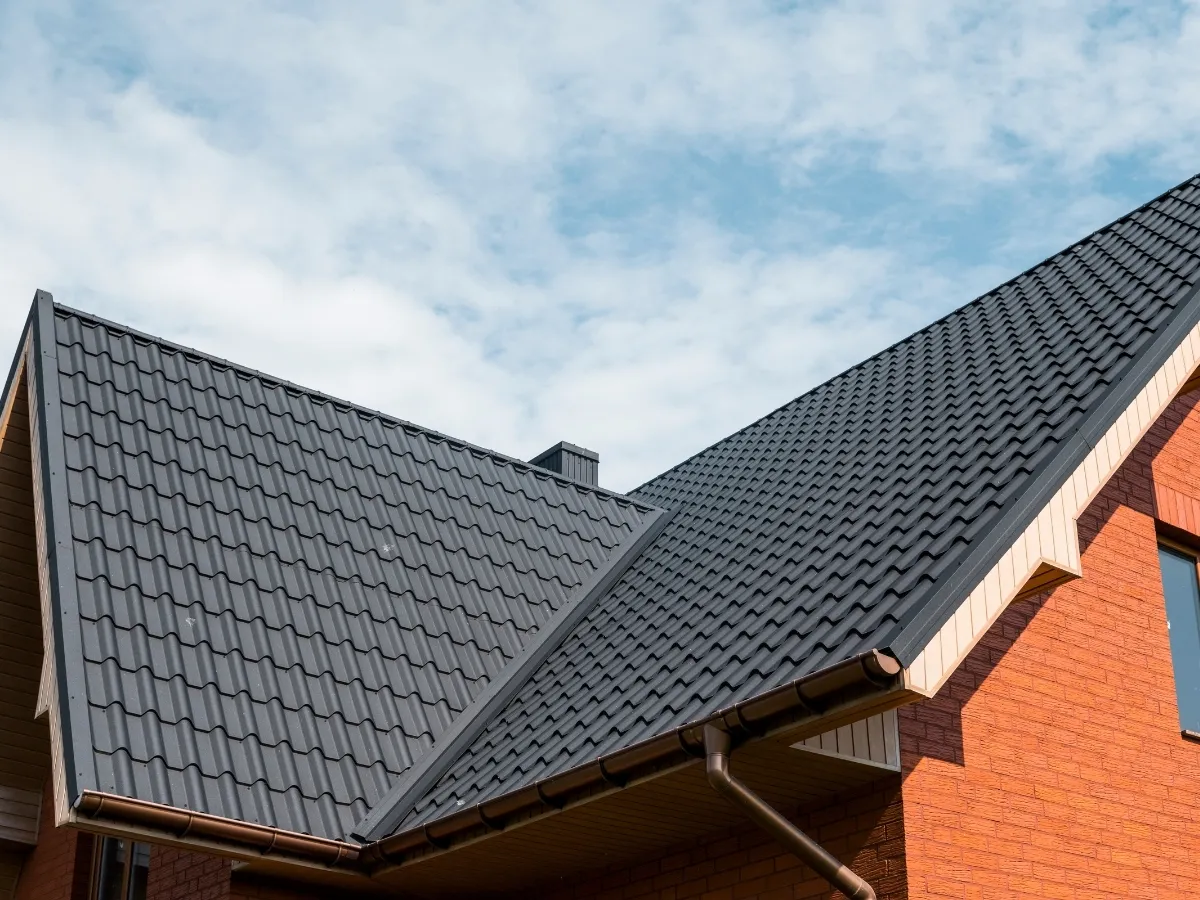
Metal roofing is widely considered one of the top choices for wet climates, and for good reason. A properly installed metal roof sheds water almost instantly, leaving very little opportunity for moisture to sit and cause damage. Metal does not absorb water, it does not support moss or algae growth the way organic materials do, and it holds up remarkably well against heavy rain and wind. In a Vancouver climate, a quality metal roof can last 40 to 70 years with minimal maintenance, making it one of the most cost-effective long-term investments a homeowner can make.
Steel, aluminum, and copper are the most common metal roofing options. Aluminum is particularly well suited to the BC coast because it resists corrosion naturally without needing extra coatings. Standing seam metal roofing, where the seams are raised above the flat surface of the panels, is especially effective in rainy climates because it eliminates the exposed fasteners that can become leak points over time. While the upfront cost of metal roofing is higher than some other options, the durability and low maintenance requirements make it a smart investment for Vancouver homeowners who want to protect their home for decades.
Slate Roofing
Natural slate is one of the oldest and most respected roofing materials in the world, and it performs exceptionally well in wet climates. Slate is a dense, non-porous stone that does not absorb moisture, which makes it highly resistant to the kind of water damage that plagues less durable materials. It is also naturally resistant to mould, algae, and moss, which is a significant advantage in a climate as damp as Vancouver’s. A well-installed slate roof can last 75 to 100 years or more, outlasting virtually every other roofing material available.
The main drawback of natural slate is its cost and weight. Slate is one of the most expensive roofing materials on the market, and its weight requires a roof structure that can support it. Not every home is built to accommodate a slate roof without additional structural work. However, for homeowners who plan to stay in their home long-term and want the best possible protection against Vancouver’s rainy climate, slate is hard to beat. It is a premium option that genuinely delivers premium performance.
Composite and Synthetic Shingles
Composite and synthetic shingles have improved dramatically over the past decade and are now a strong contender for the best roofing materials Vancouver homeowners can choose. These products are engineered from a blend of materials, including fibreglass, recycled plastics, and polymers, designed specifically to resist moisture, UV exposure, and temperature fluctuations. High-quality composite shingles can mimic the look of slate, wood shake, or traditional asphalt while offering superior performance in wet conditions.
One of the biggest advantages of composite shingles in a Vancouver climate is their resistance to moss and algae. Many products include algae-resistant treatments built right into the material. They are also lighter than natural slate and more affordable, making them accessible to a wider range of homeowners. Composite shingles typically carry warranties of 30 to 50 years, and they hold up well against the wind-driven rain that Vancouver experiences regularly during storm season. If you are looking for a balance of performance, appearance, and value, composite shingles deserve serious consideration.
Asphalt Shingles
Asphalt shingles remain the most popular roofing material in Canada, and they are a reasonable choice for Vancouver when you select the right product. Standard three-tab asphalt shingles are the most basic option and tend to struggle in high-moisture environments because they are more prone to granule loss, cracking, and moss growth. However, architectural or dimensional asphalt shingles are a step up in quality and perform noticeably better in wet climates.
When choosing asphalt shingles for a Vancouver home, look for products rated for high wind and moisture resistance, and opt for shingles treated with algae-resistant granules. A thicker, heavier shingle will hold up better against the sustained rainfall Vancouver receives. Asphalt shingles typically last 20 to 30 years in a wet climate, which is shorter than metal or slate but comes at a significantly lower upfront cost. If budget is a primary consideration, quality architectural asphalt shingles installed with the right underlayment and ventilation system are a practical and widely available option. You can explore the full range of roofing services available to find the solution that fits your home and budget best.
Cedar Shake Roofing
Cedar shake has a long history in British Columbia, and it remains a popular choice for its natural beauty and connection to the Pacific Northwest aesthetic. Properly treated and maintained cedar shake can perform well in a rainy climate because cedar naturally contains oils that resist moisture and decay. It also provides good insulation value and handles the freeze-thaw cycles that coastal BC winters can bring.
That said, cedar shake requires significantly more maintenance than other roofing materials on this list. Without regular cleaning, treatment, and inspection, cedar shakes become a prime target for moss, mould, and rot in Vancouver’s damp climate. Untreated shakes can begin to deteriorate in as few as 10 to 15 years in high-moisture conditions. If you love the look of cedar and are willing to commit to proper upkeep, it can still be a worthwhile choice. But if low maintenance is a priority, other materials will serve you better in the Vancouver climate.
What to Look for in Any Roofing Material for a Wet Climate
Regardless of which material you choose, there are a few key qualities every homeowner should look for when evaluating options for a rainy climate like Vancouver’s.
- Moisture resistance: The material should repel water rather than absorb it. Look for low water absorption ratings and non-porous surfaces wherever possible.
- Mould and algae resistance: Moss and algae thrive in damp, shaded conditions. Choose materials with natural or added resistance to biological growth.
- Wind resistance rating: Vancouver experiences significant wind storms, especially in the fall and winter. Your roofing material should be rated for at least 130 km/h wind speeds.
- Durability and warranty length: In a climate that puts continuous stress on roofing materials, longer warranties are a strong indicator of real-world performance.
- Compatibility with quality underlayment: The best roofing material in the world will underperform if it is installed over a poor underlayment. A high-quality, moisture-resistant underlayment is essential in Vancouver.
- Proper ventilation requirements: Good attic ventilation prevents moisture from building up beneath your roofing materials and causing rot from the inside out.
The Role of Waterproofing in Vancouver Homes
Even the best roofing materials benefit from a strong waterproofing strategy beneath them. In a climate as wet as Vancouver’s, the underlayment and waterproofing membrane you choose are just as important as the shingles or panels on top. Ice and water shield membranes along eaves and valleys provide an extra layer of protection in areas where water is most likely to accumulate. Quality synthetic underlayment across the entire roof deck adds another barrier against moisture infiltration. For flat or low-slope sections of your roof, a dedicated waterproofing solution is not optional. It is a necessity that protects your home from the ground up.
Commercial Roofing in Vancouver’s Rainy Climate
Choosing the right materials is just as important for commercial properties as it is for residential homes. Vancouver’s persistent rainfall puts commercial roofs at serious risk, particularly flat and low-slope designs that are common on office buildings, retail spaces, and warehouses. TPO and EPDM membranes are popular commercial roofing choices for wet climates because they create a seamless, waterproof surface that handles pooling water effectively. Modified bitumen systems also offer excellent moisture resistance for commercial applications. If you manage a commercial property in the Lower Mainland, working with experts who specialize in commercial roofing services for BC’s climate is the smartest decision you can make to protect your investment.
How Long Should a Roof Last in Vancouver?
One of the most common questions homeowners ask is how long they can expect their roof to last in Vancouver’s climate. The honest answer depends heavily on the material chosen, the quality of installation, and how well the roof is maintained over the years. Here is a general guide:
- Asphalt shingles: 20 to 30 years with proper maintenance
- Cedar shake: 15 to 25 years with regular treatment and cleaning
- Composite or synthetic shingles: 30 to 50 years
- Metal roofing: 40 to 70 years
- Natural slate: 75 to 100 years or more
Keep in mind that these estimates assume quality installation and routine upkeep. A roof that is never inspected or cleaned will fall short of these ranges regardless of the material it is made from. Scheduling a professional inspection every one to two years is one of the most cost-effective habits a Vancouver homeowner can build.
Make the Right Choice for Your Vancouver Home
Choosing the best roofing materials for Vancouver is a decision that will affect your home’s comfort, appearance, and value for decades. Whether you lean toward the timeless durability of metal roofing, the natural beauty of cedar shake, or the engineered performance of composite shingles, the most important thing is making an informed choice based on your home’s specific needs, your budget, and your long-term plans. Do not leave that decision to chance. Get a roofing quote from Max Roofing today, and let our team of experienced BC roofing professionals help you find the perfect solution for your home and Vancouver’s demanding climate.
Final Thoughts
Vancouver’s rainy climate is not forgiving when it comes to subpar roofing materials. The best roofing materials Vancouver homeowners can invest in are those specifically designed to resist moisture, repel moss and algae, and hold up through years of heavy rainfall and wind. From metal roofing and natural slate to high-performance composite shingles, there are excellent options available for every budget and home style. The key is choosing wisely, installing correctly, and maintaining regularly. At Max Roofing, we have the expertise and local knowledge to help you make the right call, because your home deserves a roof that works as hard as the BC weather demands.
You take pride in your property.
We take pride in our work.
Schedule a free roofing consultation & estimate.
By submitting this form, you agree to be contacted by Max Roofing BC regarding your inquiry.