
How Temperature Fluctuations Affect Roofing Systems
If you live in Canada, you already know that the weather can shift dramatically from one season to the next. What many homeowners do not realize, though, is just how much the temperature impact roofing systems over time. Every freeze and thaw cycle, every scorching summer afternoon, and every damp autumn rainstorm puts stress on the materials above your head. Your roof is your home’s first line of defence, and when temperature swings push it past its limits, the results can be costly. Understanding how and why this happens is the first step toward protecting your investment.
Why Temperature Changes Are Hard on Your Roof
Roofing materials are not immune to the laws of physics. When temperatures rise, most materials expand. When they drop, those same materials contract. This constant back-and-forth movement is called thermal cycling, and it puts enormous stress on your roofing system over time. Asphalt shingles, metal panels, wood, and membrane systems all respond differently to these changes, but none of them are completely unaffected. The cumulative damage from years of thermal cycling can shorten the lifespan of your roof significantly if it is not properly maintained.
In Canada, this challenge is especially pronounced. Temperatures can swing by 40 degrees Celsius or more between summer and winter in many parts of the country. That kind of range is enough to cause cracking, warping, buckling, and separation in roofing materials that were never designed to handle such extremes without regular upkeep. Whether you have a flat commercial roof or a sloped residential one, the temperature impact roofing systems face in this climate is real and ongoing.
The Freeze-Thaw Cycle: A Roof’s Biggest Enemy
One of the most damaging forces that Canadian roofs face is the freeze-thaw cycle. During late autumn and early spring, temperatures often hover right around zero degrees Celsius, dropping below freezing at night and rising above it during the day. When water gets into small cracks or gaps in your roofing material, it freezes and expands overnight. When it thaws in the morning, it contracts again and pulls at the surrounding material. Repeat this process dozens or even hundreds of times throughout a season, and those small cracks become big problems. Ice dams are a direct result of this cycle and are among the most common cold-weather roofing issues in Canada. They form when heat escaping from inside your home melts snow on the upper portion of your roof.
That water then runs down toward the eaves, where it refreezes because that part of the roof is colder. Over time, this builds up a ridge of ice that traps water behind it, forcing moisture up under your shingles and into your home. Proper attic insulation, adequate ventilation, and regular inspections can go a long way toward preventing this kind of damage. Flat and low-slope roofs are particularly vulnerable to freeze-thaw damage because water does not drain off them as readily. Pooling water has more opportunity to seep into seams, flashings, and membrane layers. Our waterproofing solutions are specifically designed to keep moisture out, even when temperatures are doing their worst.
Summer Heat and UV Exposure
Heat is just as damaging as cold, but it works in a different way. During summer, rooftop temperatures can reach 70 to 90 degrees Celsius in direct sunlight, well above the ambient air temperature. This intense heat causes materials to soften, warp, and degrade faster than they would under milder conditions. Asphalt shingles, for example, can become brittle and lose their granule coating more quickly when exposed to prolonged UV radiation.
UV rays break down the chemical bonds in roofing materials over time. This process, called photodegradation, weakens the structural integrity of shingles, sealants, and membranes. Once a material starts to degrade from UV exposure, it becomes more vulnerable to cracking, peeling, and moisture infiltration. Many homeowners do not notice this kind of damage until it has already caused a leak or visible deterioration on the surface of their roof.
The temperature impact roofing systems experience in summer also affects the fasteners, adhesives, and flashing materials that hold everything together. When metal components expand in the heat, they can shift or pull away from surrounding materials, creating gaps that allow water to get in. Regular summer inspections, especially after heat waves, are a smart way to catch these issues before they escalate.
Seasonal Transitions and Roof Stress
The transition between seasons can be just as stressful as the seasons themselves. Spring and autumn bring rapid, unpredictable temperature changes that challenge roofing materials in unique ways. A warm afternoon followed by a cold snap can cause rapid contraction in materials that were just beginning to settle from the summer’s expansion. These fluctuations are particularly hard on older roofs that have already lost some of their flexibility. Autumn is also when leaves and debris accumulate on rooftops and in gutters, trapping moisture against roofing surfaces and accelerating the degradation process.
When that moisture freezes as winter sets in, it creates added pressure on already stressed materials. Keeping your roof and drainage system clean heading into winter is one of the simplest things you can do to extend your roof’s life. Spring is a good time to schedule a thorough roof inspection because it follows the harshest season. A qualified roofer can identify damage from the winter’s freeze-thaw cycles before spring rains make things worse. Our team offers comprehensive roofing services across BC that include seasonal inspections tailored to catch exactly this kind of weather-related wear and tear.
How Different Roofing Materials Handle Temperature Fluctuations
Not all roofing materials respond to temperature changes the same way. Understanding how your specific material behaves can help you make better maintenance and replacement decisions.
Asphalt Shingles
Asphalt shingles are the most common residential roofing material in Canada and are reasonably good at handling moderate temperature swings. However, extreme cold can make them brittle, while extreme heat can soften them and cause granule loss. As they age, their ability to flex with temperature changes decreases, making regular replacement essential.
Metal Roofing
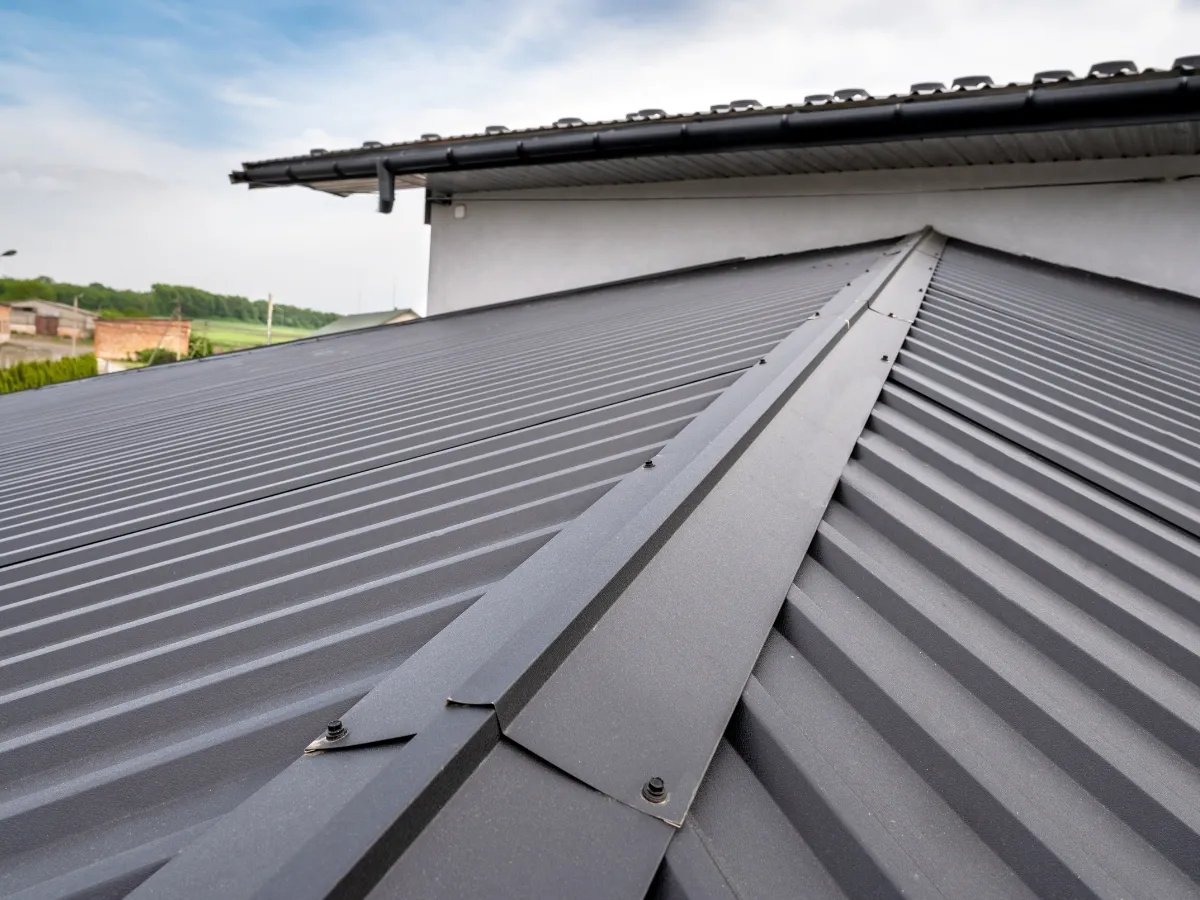
Metal roofing expands and contracts significantly with temperature changes, more so than most other materials. Without proper installation that accounts for this movement, seams can loosen and fasteners can back out over time. When installed correctly, though, metal roofing is one of the most durable options available and can last 40 to 70 years with proper care.
Flat Roof Membranes
TPO, EPDM, and modified bitumen membranes are commonly used on flat or low-slope roofs, including commercial buildings. These materials are designed to flex with temperature changes, but they are not invincible. Seams and edges are the most vulnerable points, especially in climates with wide temperature ranges. Our commercial roofing services include expert installation and maintenance of these systems to ensure they perform in all seasons.
Wood Shakes and Shingles
Wood is a natural insulator but also absorbs moisture readily. When wood roofing gets wet and then freezes, the expansion can cause splitting and cracking. Proper treatment and ventilation are key to extending the life of wood roofing in Canadian climates.
Practical Steps to Protect Your Roof from Temperature Damage
Knowing about the temperature impact roofing systems face is useful. Taking action is even better. Here are some practical steps every Canadian homeowner or building owner can take to reduce the damage caused by temperature fluctuations:
- Schedule bi-annual roof inspections in spring and autumn to catch seasonal damage early before it has a chance to worsen.
- Ensure proper attic insulation and ventilation to reduce heat loss through your roof in winter and prevent the conditions that lead to ice dams.
- Keep gutters and drains clear so melting snow and rain can flow freely away from your roof and foundation.
- Check flashings and sealants regularly because these are the most vulnerable points where temperature-driven movement can cause gaps to open up.
- Invest in quality materials rated for Canadian climates when replacing or repairing your roof, as not all products are designed to handle wide temperature swings.
- Address minor repairs promptly before they become major ones, because small cracks and gaps left unattended through a harsh winter can turn into significant damage by spring.
When to Call a Roofing Professional
Some roofing issues can wait a season, but others cannot. If you notice any of the following signs, it is time to call in a professional right away:
- Water stains on your ceiling or walls inside your home
- Missing, curling, or cracked shingles after a cold snap or heat wave
- Visible sagging or buckling anywhere on your roofline
- Ice dams forming at your eaves during winter
- Pooling water on a flat roof that does not drain within 48 hours of a rainfall
Catching these problems early can mean the difference between a simple repair and a full roof replacement. A professional inspection gives you a clear picture of your roof’s condition and a plan to address any issues before they become emergencies. Get a roofing quote from our team today to find out exactly what your roof needs heading into the next season.
Final Thoughts
The temperature impact roofing systems face across Canada is one of the most significant factors affecting how long a roof lasts and how well it performs. From summer UV damage to winter freeze-thaw cycles and everything in between, Canada’s climate puts roofs through a great deal year after year. The good news is that with regular maintenance, quality materials, and timely professional inspections, you can protect your roof and extend its life well beyond the average. At Max Roofing, we understand the specific demands of the Canadian climate, and we are here to help you keep your roof in top shape no matter what the weather brings.
You take pride in your property.
We take pride in our work.
Schedule a free roofing consultation & estimate.
By submitting this form, you agree to be contacted by Max Roofing BC regarding your inquiry.